From Renting to Roots: Rebuilding a Small Arlington Home to Fit
Real Life
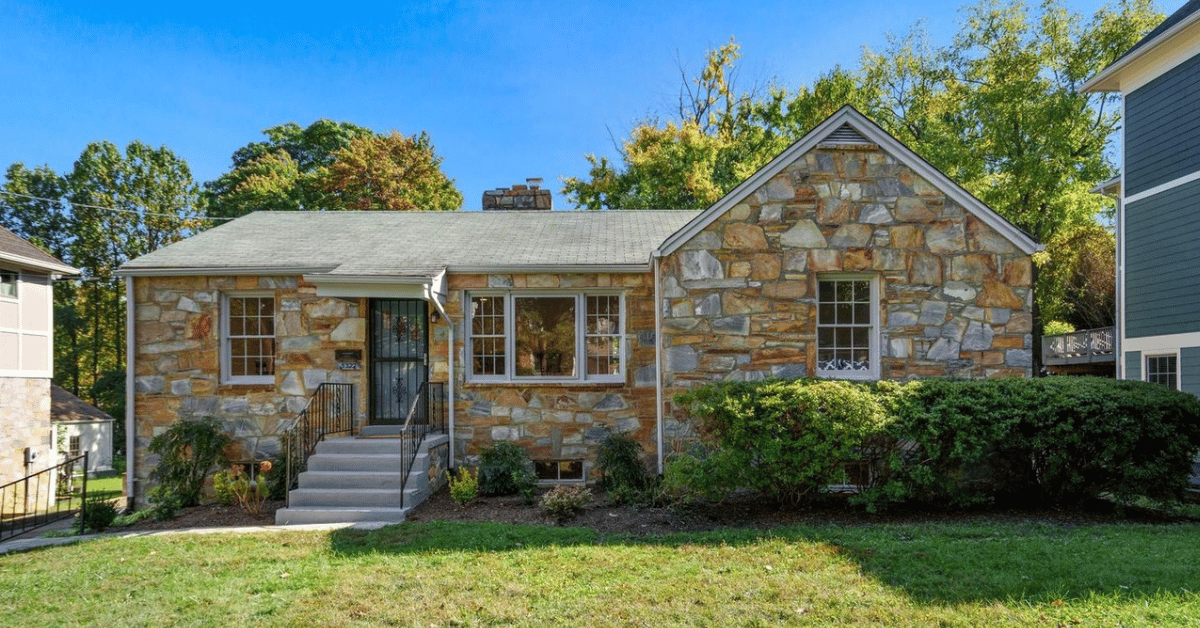
For this family, buying their first home in Arlington came with equal parts excitement and pressure. Their lease was ending, they had a young son, and they were ready to put down roots—but the homes they could afford in the neighborhoods they loved were small, dated, and far from move-in ready.
When they found the house, they saw its potential immediately. They also saw the challenges clearly: a tight footprint, an inefficient layout, outdated systems, and a firm deadline. The home needed a full update and a substantial addition, and it needed to be done on a defined budget and timeline so they could move in as soon as their lease ended.
They weren’t just buying a house. They were committing to a plan that had to work.
The Real Problems to Solve
The family's concerns went beyond square footage. As they talked through daily life, a few priorities rose to the surface:
- Creating enough bedroom and living space for their son to grow
- Improving flow so multiple activities could happen without conflict
- Updating systems and finishes without overbuilding for the neighborhood
- Making fast, informed decisions without second-guessing them later
The homeowners were highly detail-oriented and budget-conscious. They wanted to understand tradeoffs clearly: Why this layout? Why this material? What are we gaining (or giving up) by choosing this option? With a tight move-in deadline, there wasn’t room for vague planning or late-stage surprises.
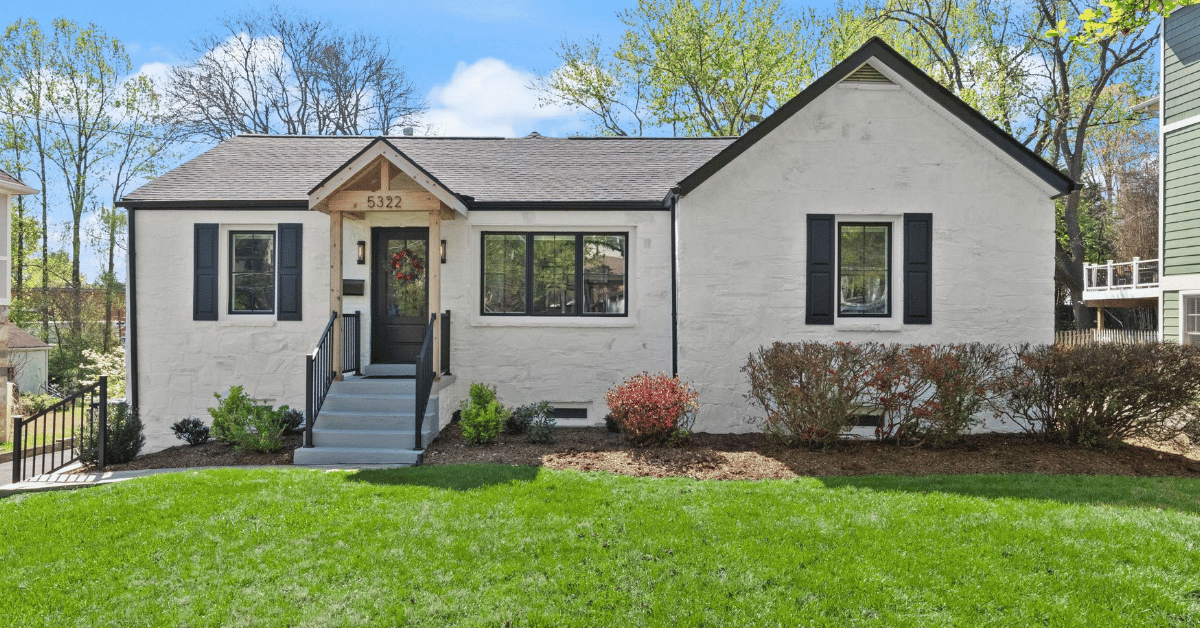
Before & Afters
Starting Somewhere Unexpected
Before design work began, MOSS took an intentional step: visiting the family’s rental home. Instead of discussing finishes or inspiration images, the conversation focused on function:
- Where did mornings flow smoothly and where did they break down?
- Which storage solutions actually worked day to day?
- What layouts supported family time without feeling cramped?
That visit directly influenced the design of the new home. Storage locations, circulation paths, and room adjacencies were based on habits that were already working—not guesses about how the family might live in a new home.
Designing Within Real Constraints
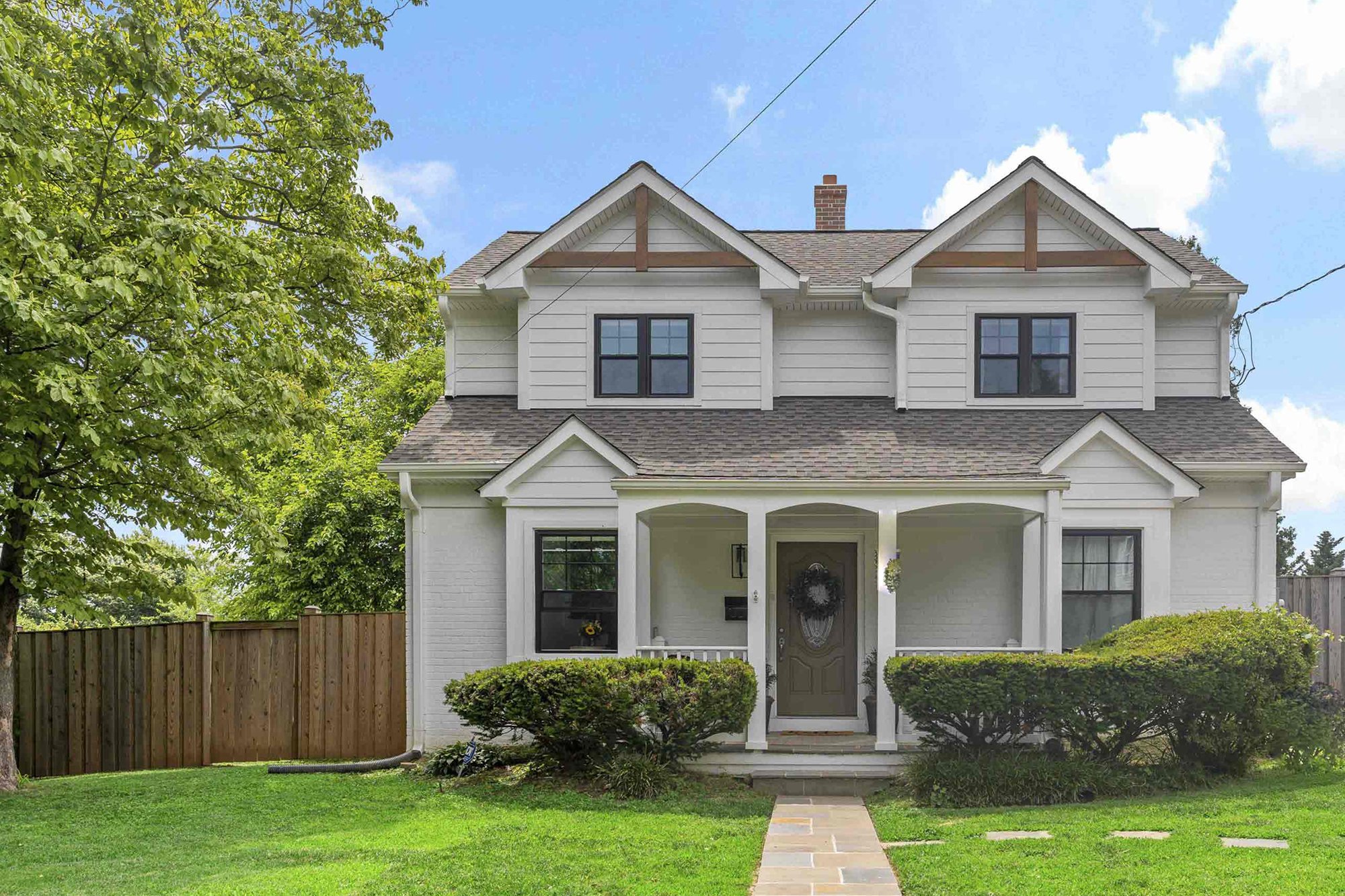
The solution involved a significant rear addition—approximately 700 square feet—paired with a full reconfiguration of the main level and basement.
Key moves included:
- Removing the existing chimney and rear wall to open the main level and connect it to the addition
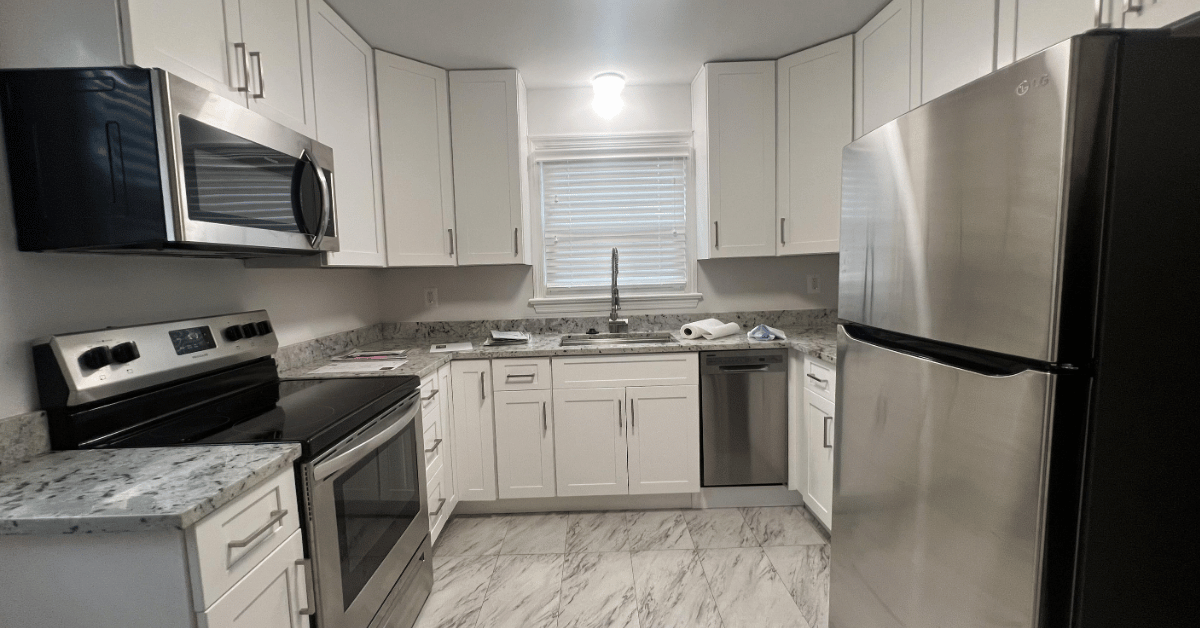
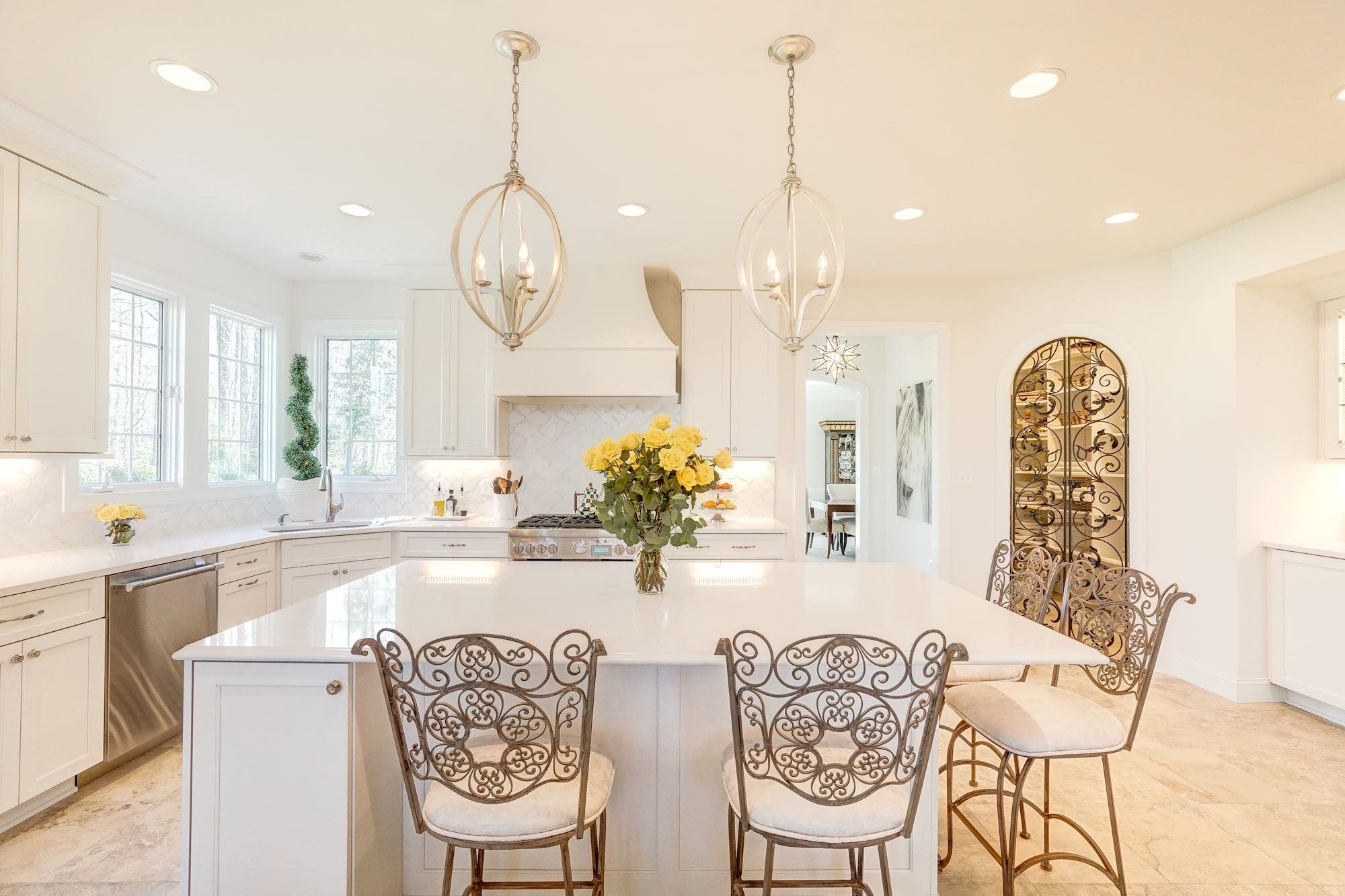
- Expanding the kitchen and relocating adjacent spaces to improve flow and sightlines
- Creating a new primary suite with an ensuite bath, plus an additional bedroom and office space
- Upgrading all major systems while keeping finishes aligned with the neighborhood and budget
Not every idea made the final plan. For example, certain structural and finish upgrades were scaled back in favor of better layout and long-term functionality. These decisions were made deliberately to protect both budget and schedule.
Throughout the process, MOSS provided clear options with explanations, allowing the detail-oriented homeowners to make confident choices without slowing momentum.
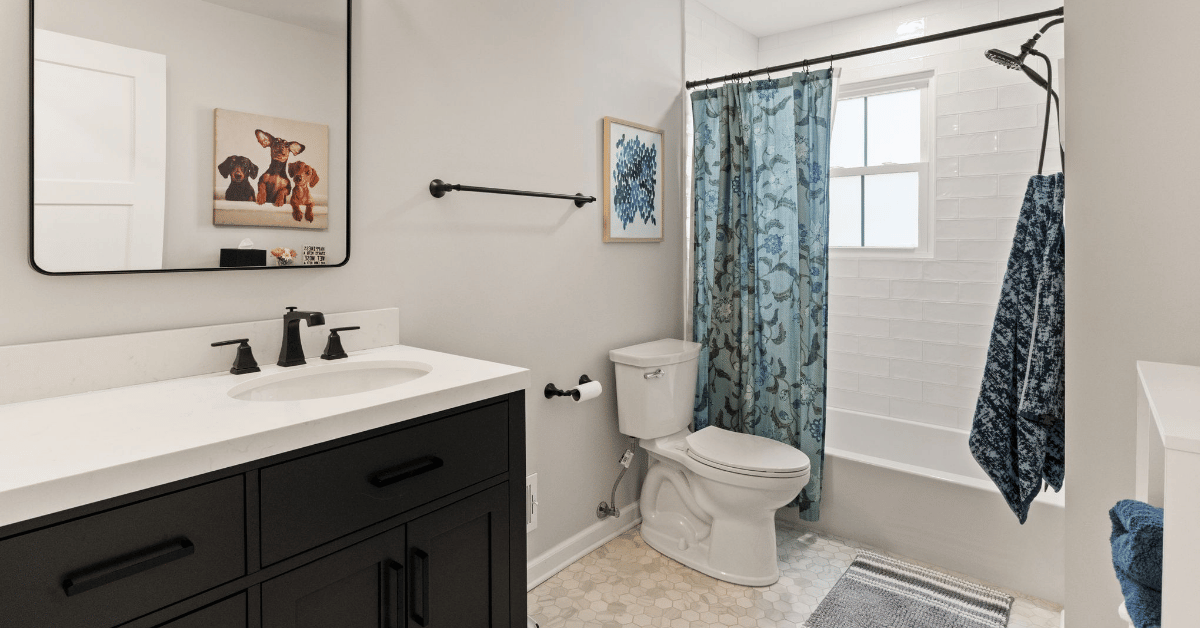
Explore the Gallery
Meeting the Deadline Without Cutting Corners
With the lease end date fixed, the project was planned and sequenced carefully from the start. Design decisions were aligned early with construction realities, and scope discipline was critical.
Rather than rushing, the process stayed focused. The result: the home was completed in time for the family to move directly from their rental into their new house, without interim housing or last-minute compromises.
A Home Designed to Work for Real Life
The finished home is larger, brighter, and fully updated, but most importantly, it works. Spaces flow logically and storage supports daily routines, allowing bedrooms and living areas to feel purposeful rather than squeezed. What began as a small, outdated Arlington home is now a functional, modern family house that reflects how the family already lived, supported by a layout designed for long-term ownership. Delivered on a real timeline, within budget, and without overbuilding for the neighborhood, the project shows what’s possible when remodeling starts with listening, clear priorities, and honest tradeoffs. By grounding design decisions in real habits, MOSS helped the family move from uncertainty to confidence, proving that sometimes the biggest win isn’t just more space. It’s knowing your home is ready when you are.