LCP LCP LCP

When this Oakton family began thinking about remodeling, they weren’t starting from scratch. They had lived in their home for years, and it had supported them through different stages of life. But as their kids grew into teenagers, the way the house functioned started to feel more limiting.


There wasn’t a clear place for everyone to land. Mornings felt crowded. Evenings meant competing for space, whether it was finding a quiet spot to unwind or a comfortable place for everyone to gather. The house still worked, but it required constant adjustment.


What began as a simple idea to gain more space quickly turned into a larger conversation about how the home could better support their daily life.

The Real Problem: Space That Didn’t Match Daily Life

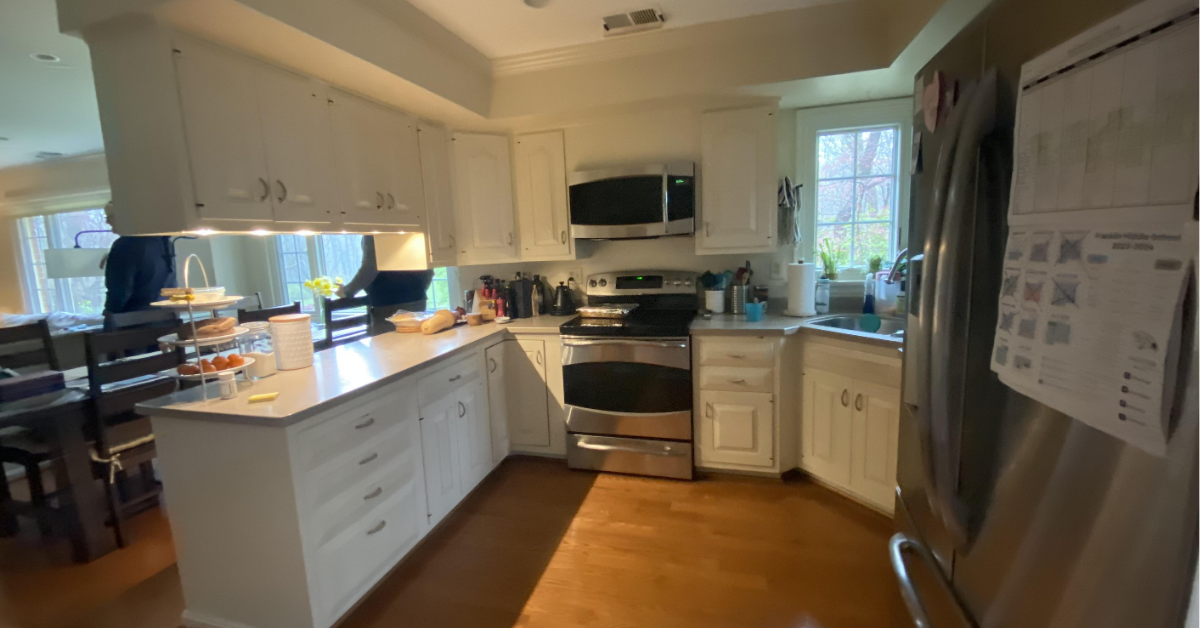
The house had enough square footage on paper, but it wasn’t being used in the right way. The garage took up valuable space without contributing to how the family lived, while the main level was broken up by walls that limited flow and natural light. The kitchen felt tucked away, disconnected from the rest of the home, and the entry lacked a clear sense of arrival.


As their kids got older, those issues became more noticeable. There wasn’t a natural place for teens to spend time with friends, and everyday routines felt more chaotic than they needed to be.


The problem wasn’t size. It was how the space functioned. 

 Rethinking the Structure, Not Just the Finishes

Instead of focusing on surface updates, the family chose to rethink how the home was organized. The garage became the starting point. Rather than renovating it, they converted it into livable space and built a new garage addition that better fit the property.


That decision unlocked the rest of the house. The former garage became an in-law suite with a bedroom and bathroom, along with a mudroom that finally gave the family a functional daily entry point. What had once been underused space became one of the most important parts of the home. 

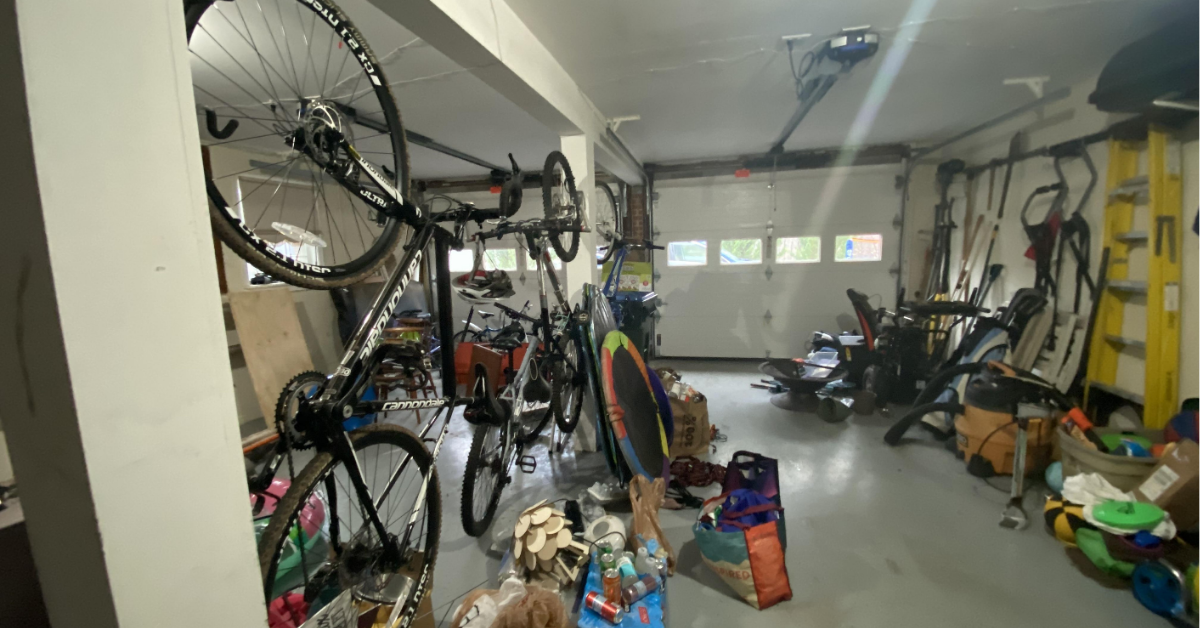
Garage Before
Before: The garage took up valuable space. Rather than renovating it, we converted it into livable space and built a new garage addition
Garage after (4)
After: The garage became an in-law suite with a bedroom and bathroom, along with a mudroom

Upstairs, the transformation centered on opening the main living areas. A load-bearing wall between the kitchen and living space was removed and replaced with a structural beam, allowing the layout to expand. The ceiling was vaulted, and new skylights were added to bring in light from above. A simple wood-wrapped beam now draws your eye upward, reinforcing both the height and the openness of the space.


What had been a series of separate rooms now feels like one continuous environment.

Rainhart living and kitchen before (2)
Before: The main level was broken up by walls that limited flow and natural light 
Rainhart living and kitchen after (2)
After: Upstairs, the transformation centered on opening the main living areas
Rainhart living and kitchen before
Before: The kitchen felt tucked away, disconnected from the rest of the home, and the entry lacked a clear sense of arrival.
Rainhart living and kitchen after (4)
After: A structural beam replaced a load-bearing wall, allowing the layout to expand. The ceiling was vaulted, and new skylights were added to bring in light from above.

Solving for Structure and Vision

Creating that openness required careful coordination behind the scenes. Introducing the vaulted ceiling meant creating a new point load. The beam had to carry that load without interrupting the openness the family wanted.


At the same time, the design needed to reflect the family’s vision. With a strong appreciation for architecture within the family, details like the exposed beam and proportions of the space had to feel intentional, not just functional.


Systems were updated to support the new layout, including HVAC adjustments to ensure consistent comfort throughout the home. Site constraints, like the existing septic system, also influenced how the new garage addition could be positioned.


The transformation extended to the exterior as well. The front of the home was reworked to create a more defined and welcoming entrance, anchored by a covered stoop and warm wood door that gives the house a clearer sense of arrival. Updated siding, brick, and wood elements helped tie everything together, so the outside reflects what’s happening inside.

Explore the full image gallery

The Result: A Home That Finally Fits

The finished home feels noticeably different—not just visually, but in how it supports daily life. The main level is brighter and more open, with natural light moving through the space throughout the day. The kitchen now sits at the center of the home, connected to everything around it instead of feeling separate.


Downstairs, the former garage has become a fully integrated living space that supports both everyday routines and long-term flexibility.


More importantly, the house now works the way the family needs it to. There’s space to gather, space to spread out, and a natural rhythm to how the home is used from morning to night.


This project is a reminder that more space isn’t always the answer. Often, the biggest change comes from using the space you already have in a smarter, more intentional way.

Are you ready to explore how your home could better reflect your lifestyle? Reach out to start a conversation, and let’s see what’s possible together.

Other Projects

Beautiful suburban home exterior with manicured lawn and mature trees

Home Exteriors

Light-filled kitchen with large kitchen island and unique chair and door details

Kitchens

Basement with sliding bar door, built-in fireplace, and pool table

Basements