
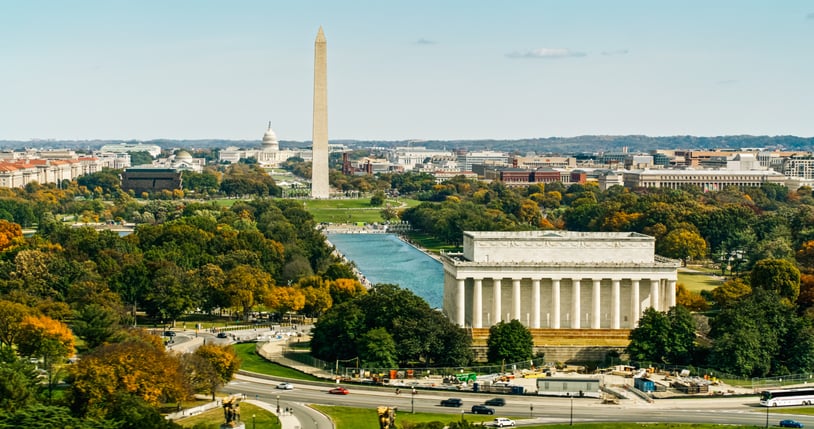
Remodeling in Washington, DC is unlike remodeling almost anywhere else in the region.
On the surface, it can look straightforward: beautiful historic homes, established neighborhoods, strong property values, and homeowners who want to invest thoughtfully in where they live. But once you begin peeling back the layers, DC remodeling reveals a set of challenges that are very real, very specific, and often underestimated.
From historic preservation rules to tight lots, layered permitting, and aging infrastructure, DC projects demand a level of planning, patience, and coordination that goes far beyond choosing finishes.
Understanding these challenges upfront doesn’t make a remodel harder; it makes it smarter.
Below are the most common difficulties homeowners face when remodeling in Washington, DC, along with examples of what they look like in real life and how thoughtful planning makes all the difference.
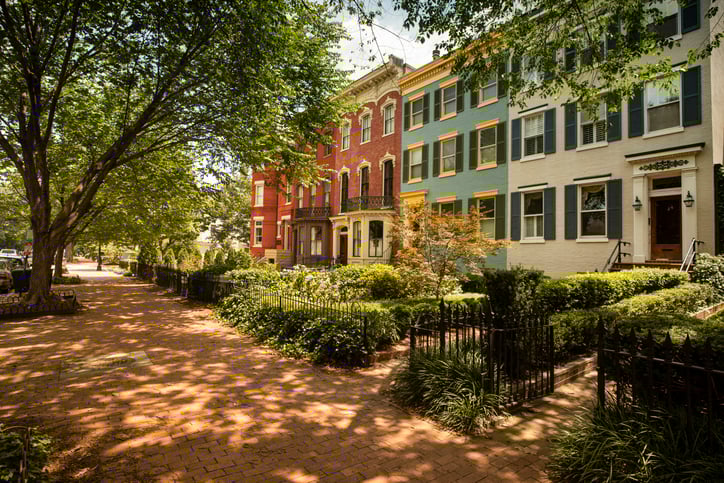
1. Hidden Complexity
Many DC homes were built decades — sometimes more than a century — ago. While their charm is undeniable, their construction often reflects a very different era of building standards.
What this looks like in practice:
- Floors that slope slightly from years of settling
- Framing that doesn’t follow modern spacing or sizing conventions
- Knob-and-tube wiring or outdated electrical panels hidden behind walls
- Plumbing lines that were added piecemeal over generations of renovations
A homeowner might assume they’re “just remodeling a kitchen,” only to discover that once walls are opened, electrical systems need upgrading or framing must be reinforced to support modern appliances.
These aren’t mistakes, just the realities of working in older housing stock. The key is expecting them, planning for them, and having a team that knows how to adapt without derailing the project.
2. Historic Homes & Districts
Many DC neighborhoods fall under Historic Preservation Review Board (HPRB) oversight. This doesn’t mean you can’t remodel — but it does mean how you remodel matters.
Common examples:
- Rear additions that must respect existing rooflines and materials
- Window replacements that need to match historic proportions
- Exterior changes that are visible from public ways requiring approval
For homeowners, this can feel confusing or intimidating: “Why does the city care about my back wall if no one can see it?”
The answer often comes down to precedent, context, and long-term neighborhood character. Navigating this process requires more than submitting drawings; it requires knowing what tends to be approved, what raises red flags, and how to design solutions that meet both homeowner goals and preservation standards.
3. Challenging Layouts
One of the most common misconceptions in DC remodeling is that a home “needs an addition” when the real issue is layout.
We frequently see:
- Large dining rooms used once a year
- Narrow kitchens doing all the heavy lifting
- Dead hallways that eat square footage without adding value
In these cases, rethinking circulation, opening key connections, or redistributing square footage can deliver more impact than adding space.
That doesn’t mean additions are wrong; just that in DC, they should be carefully justified.
4. Tight Lot Sizes
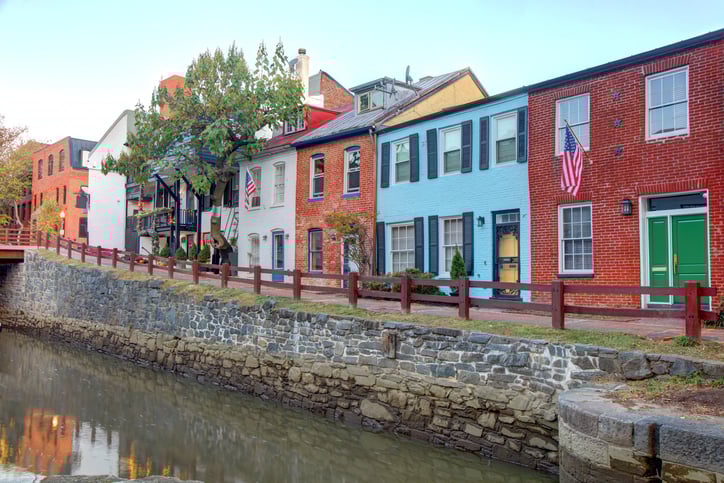
Rowhomes and townhouses dominate much of DC, which means:
- Shared party walls
- Minimal side-yard setbacks (or none at all)
- Rear yards that are smaller than many homeowners expect
In real terms, this can mean:
- You can’t expand sideways—only up or back
- Mechanical systems must fit within limited chases
- Construction staging is tight, affecting schedule and logistics
For example, a homeowner may want a larger kitchen but discover that a rear addition is constrained by lot coverage limits or neighboring sightlines. In many cases, the best solution isn’t “more space”—it’s better use of the space that already exists through layout reconfiguration or vertical reorganization.
Condo and co-op renovations introduce another layer of complexity. Beyond city regulations, homeowners must also navigate building rules and board approvals. These often include:
- Formal design and construction approvals from a condo or co-op board
- Restricted work hours and noise limitations
- Elevator reservations and protection requirements
- Limited options for dumpsters, material deliveries, and debris removal
In these buildings, even straightforward renovations require careful planning and coordination. Success depends not just on good design, but on understanding how to work within both city regulations and building-specific constraints.
5. Permitting Delays
DC’s permitting process is thorough, which protects homeowners but also demands patience and preparation.
What homeowners often experience:
- Multiple rounds of review
- Input from several agencies (building, zoning, historic preservation)
- Longer lead times before construction can begin
This can feel frustrating—especially when compared to nearby jurisdictions—but it’s also why early planning matters so much. In DC, the quality of what you submit matters as much as what you’re trying to build.
We routinely see projects delayed by months when drawings are submitted without a clear understanding of zoning requirements, historic triggers, or agency expectations. Those gaps almost always lead to resubmissions, design revisions, and extended timelines.
A well-prepared permit set, one that addresses known constraints upfront, moves far more smoothly than a reactive submission that tries to solve issues after the fact. In DC, rushing the planning phase almost always costs more time, money, and momentum later.
6. Logistical Challenges
Unlike suburban projects, DC remodels often take place in dense, highly constrained environments, with:
- Limited or permit-restricted street parking
- Strict work-hour and noise regulations
- Neighbors living just inches away—sometimes sharing walls
Even seemingly simple tasks like material delivery, dumpster placement, or staging trades require advance coordination. In many cases, homeowners and contractors must secure temporary permits, notify neighbors, or carefully schedule deliveries to avoid blocking streets or alleys.
From a homeowner’s perspective, this means:
- Clear, proactive communication matters more than ever
- Scheduling and sequencing become critical to keeping momentum
- The right contractor can significantly reduce disruption—while the wrong one can amplify stress quickly
Inadequate planning around access, staging, and neighbor communication is one of the fastest ways for a DC remodel to become stressful—for homeowners, neighbors, and the project team alike. Thoughtful logistics planning upfront helps protect timelines, relationships, and peace of mind throughout construction.
Unlike suburban projects, DC remodels often happen with:
- Limited street parking
- Strict work-hour regulations
- Neighbors living just inches away
Simple tasks like material delivery, dumpster placement, or staging trades require coordination. In some cases, neighbors must be notified or permits secured just to place equipment on the street.
From a homeowner’s perspective, this means:
- Clear communication matters more
- Scheduling becomes critical
7. Budget Expectations
Remodeling in Washington, DC is a meaningful investment, and it often carries a higher price tag than similar projects in nearby suburban areas.
Compared to surrounding markets, DC remodels frequently include additional layers of complexity that impact cost. Two projects with similar scopes—one in Fairfax and one in DC—can land at very different price points simply because of the underlying conditions unique to the city.
Factors that commonly contribute include:
- Older homes that require more preparation, reinforcement, or system upgrade
- Historic or neighborhood requirements that influence materials and detailing
- Tight sites and logistics that increase coordination and labor time
- A more detailed permitting and review process that requires added planning and expertise
This is why early clarity matters so much. When homeowners understand where costs come from, decisions tend to feel more confident and far less stressful. A well-informed budget isn’t about spending more; it’s about putting resources in the right places from the start.
How Thoughtful Planning Changes Everything
The challenges of DC remodeling are real, but they aren’t reasons to avoid investing in your home. They’re reasons to approach the process intentionally.
Successful DC projects tend to share a few common traits:
- A clear understanding of how the home is actually used day to day
- Early identification of historic, zoning, and structural constraints
- Flexible thinking about layout and flow, not just adding square footage
- Realistic expectations around timeline, complexity, and investment
For homeowners planning a remodel in DC, there are also a few non-negotiables that are worth insisting on before moving forward.
Before you commit to a DC remodel, make sure you:
- Have a realistic feasibility review that considers structure, zoning, historic status, and building type (rowhome, condo, or detached)
- Understand the likely permitting steps involved and the range of timelines to expect
- See a plan for access, staging, and neighbor or building communication
- Discuss contingency planning—for both budget and schedule—before construction begins
When these essentials are in place, the result isn’t just a completed project. It’s a home that works better, feels more comfortable, and fits both your life and the unique realities of living in Washington, DC.
A Smarter Way to Remodel in DC
If you’re considering a remodel in Washington, DC and wondering why it feels more complicated than expected, you’re not alone.
The key isn’t avoiding the challenges; it’s understanding them early, prioritizing what matters most, and working with a team that knows how DC homes, neighborhoods, and regulations actually function.
At MOSS, our DC projects typically begin with a deep existing-conditions assessment and an early zoning and historic review. This allows us to anticipate constraints, flag risks, and shape the design before drawings are finalized—when changes are far less disruptive and costly.
Our DC teams are also geographically aligned, which matters more than many homeowners realize. It helps with coordinating inspections, communicating with neighbors or building boards, navigating site logistics, and responding quickly when questions arise in the field.
Because in a city like this, the best remodels don’t just change a house; they respect the place it sits, the history it carries, and the life unfolding inside it.
Schedule your virtual discovery session today: https://www.mossbuildinganddesign.com/contact-moss