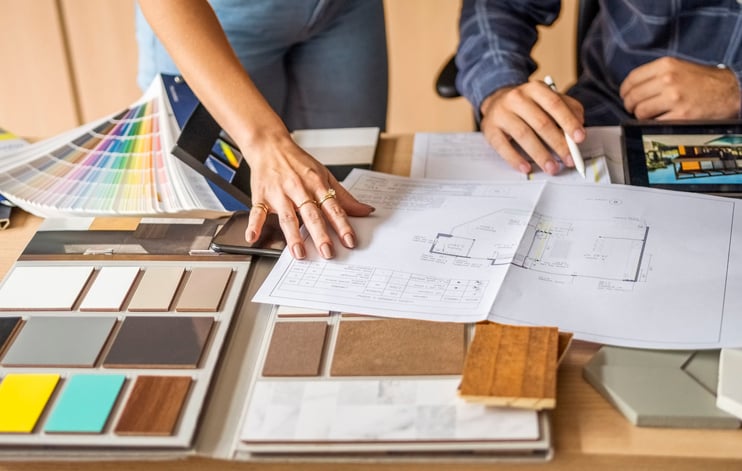
After completing your initial research and virtual discovery session, the next step in the home remodeling process is designing your project. Before construction begins, MOSS works closely with you to plan every detail. While your virtual discovery session focuses on high-level goals, budget ranges, and inspiration, the design phase answers the specifics. It’s where your needs, priorities, and constraints are clearly defined so you can move forward with confidence.
Remodel Design Is More Than Aesthetics
Remodel design planning is often associated with selecting finishes, materials, and fixtures, but it goes far beyond that. This phase lays the groundwork for your entire design-build project. Decisions made here influence everything that happens during construction. Before choosing tile or cabinetry, your layout must be finalized. Before that, you need to understand structural limitations, accurate measurements, and local permitting requirements. Every decision builds on the last. This sequencing is critical. When done correctly, it minimizes costly revisions and keeps your home remodel moving efficiently. Good design doesn’t just create a beautiful space. It makes construction predictable.
The Tradeoffs You’ll Navigate
Every remodel involves tradeoffs. The design phase is where those decisions are carefully evaluated so you are not making rushed calls during construction.
Common tradeoffs include:
Scope vs. budget
It is rare for everything on your wish list to align perfectly with your remodeling budget. This is where priorities are established so you focus on what matters most.
Function vs. form
A beautiful design only works if it supports your daily life. For example, a large kitchen island may look impressive, but if it disrupts workflow, it can become a frustration. This phase of your remodel helps align your design with how you actually live.
Speed vs. thoroughness
Moving too quickly through planning often leads to delays later. The design phase allows you to set a realistic timeline backed by thoughtful decisions and proper preparation.
Working through these tradeoffs early is one of the biggest advantages of a structured design process.
What You’ll Do During the Remodel Design Phase
The remodel design phase typically includes multiple rounds of collaboration with your design team. Here’s what that looks like:
Discovery and goal setting
You will build on your initial conversations by clearly defining what you want to achieve. This includes how you want your space to function, what problems you are solving, and what success looks like.
Space planning and layout
With clear goals, your team evaluates your existing space and develops a remodel layout that supports your needs. This includes traffic flow, natural light, and identifying what structural changes are possible.
Material and finish selections
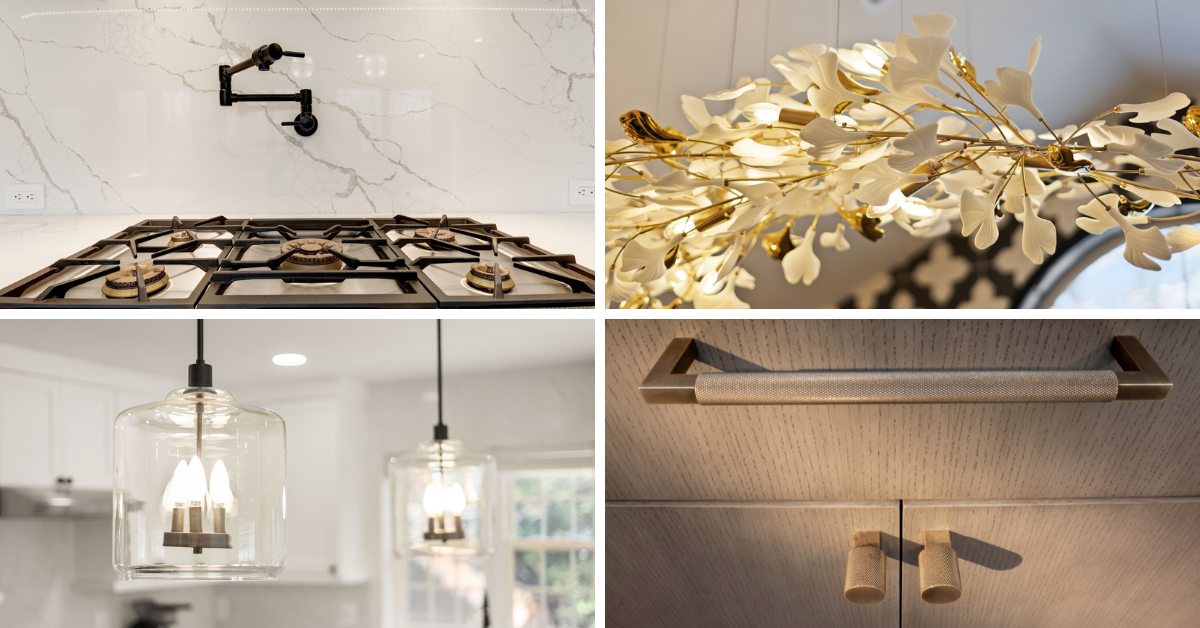
This is where you make material selections for your remodel, including countertops, cabinetry, lighting, appliances, and more. Each selection is made in context, ensuring everything works together as part of a cohesive plan.
Permit drawings and documentation
Your design team prepares the technical drawings and specifications required for permits and construction. This documentation connects your vision to the build phase.
Throughout this process, expect questions, revisions, and ongoing collaboration. This back-and-forth ensures your design is fully thought through before construction begins.
Why Good Design Reduces Construction Stress
Remodeling is inherently complex, but a well-executed design phase makes construction far more manageable.
When decisions are finalized early during the remodel planning process:
- Change orders during construction are minimized
- Materials are planned in advance
- Timelines are more reliable
- Communication is clearer
Your construction team can begin work knowing exactly what they are building. This eliminates delays caused by missing information or last-minute decisions.
While unexpected issues can still arise, thorough planning significantly reduces the likelihood of major disruptions or extended delays.
How to Get the Most Out of Your Design Phase
You don’t need to have everything figured out, but preparation makes a meaningful difference. Here are a few ways to set yourself up for success:
Know your priorities
Identify what matters most, whether that is budget, timeline, functionality, or specific features. This helps guide decisions throughout the process.
Collect inspiration
Research is a valuable starting point. If you are unsure where to begin, MOSS offers an AI-powered research assistant, Natalie, who can answer questions and provide insights based on real remodeling projects in Northern Virginia, Maryland, and Washington DC.
Be honest about your budget
A clear and realistic budget helps your team design within your comfort zone and avoid surprises later.
Ask questions
If something doesn’t make sense, speak up. Your input is essential, and collaboration leads to better outcomes.
Get in Touch
At MOSS, the design phase is a core part of every project. Investing time here leads to a smoother construction process and a final result you will enjoy long after completion. If you are still in theresearch phase of your home remodeling journey, schedule a virtual discovery session to start the conversation to understand what the MOSS design-build remodeling process looks like before making any commitments. Or start your remodeling research with Natalie, our AI-powered assistant built on real MOSS projects.