
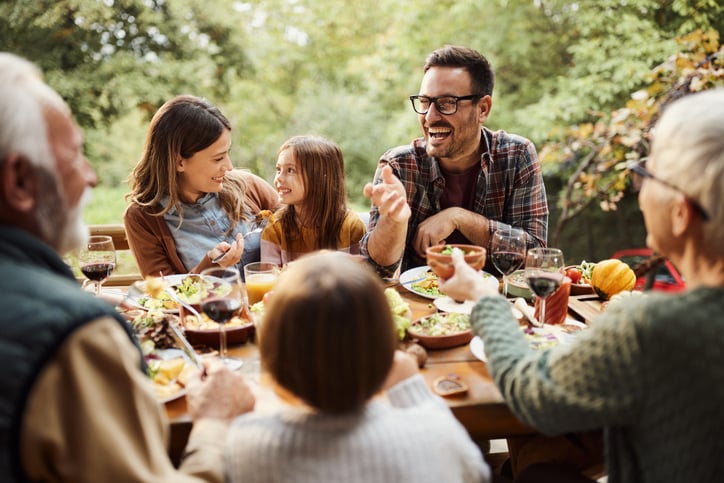
Outdoor spaces used to be simple. A grill on the deck. A small patio table. A few chairs that only came out during summertime.
Today, homeowners are designing outdoor areas with the same level of intention as the rooms inside the house. Patios, porches, and terraces are becoming natural extensions of kitchens, family rooms, and dining areas. Part of the shift is practical. Families want more usable space without always adding square footage. But it’s also about lifestyle. People want places to relax, host friends, work outside for an hour, or let kids play nearby while dinner is cooking.
The most successful outdoor remodels don’t just add features. They create a connection between the home and the yard, so the spaces work together.
Here are five indoor–outdoor design trends shaping remodeling projects today.
1. Back Walls That Open the Home
One of the biggest changes in outdoor design is happening along the back wall of the house.
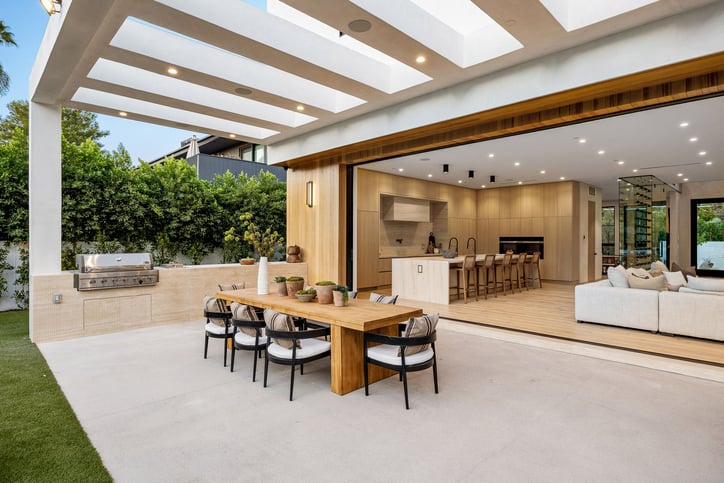
Instead of a single back door, many homeowners are installing large sliding or folding glass door systems that open onto a patio or deck. These openings often span 12 to 16 feet or more, replacing what used to be a smaller door and window combination.
When open, the kitchen or family room flows directly into the outdoor space. We often see this in homes where the main living area faces the backyard. A traditional wall is replaced with a wide glass opening that changes how the entire space feels and functions.
On a mild evening, the doors stay open and the boundary between inside and outside starts to disappear. People move freely between spaces, and the patio becomes part of the main living area rather than a separate zone.
2. Covered Outdoor Rooms That Extend the Season
Weather is the biggest reason homeowners stop using their outdoor space. Too hot. Too cold. Too much rain. Covered outdoor areas help solve that.
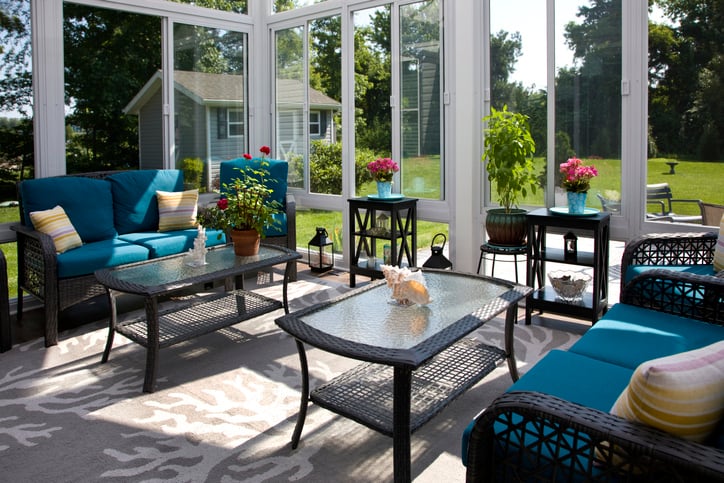
Screened porches, roofed patios, and covered decks create a more controlled environment, so the space stays usable throughout the year. Ceiling fans are often positioned directly over seating areas to keep air moving in the summer, while overhead heaters or infrared units extend use into colder months.
Material choices matter here as well. Composite decking, pressure-treated framing, and moisture-resistant ceiling finishes tend to hold up better over time. Proper roof pitch and drainage planning also help prevent water from collecting near the structure.
When these details are handled early, the space becomes somewhere people naturally settle into on weeknights and weekends instead of something used only when conditions are perfect.
3. Outdoor Kitchens That Support Real Cooking
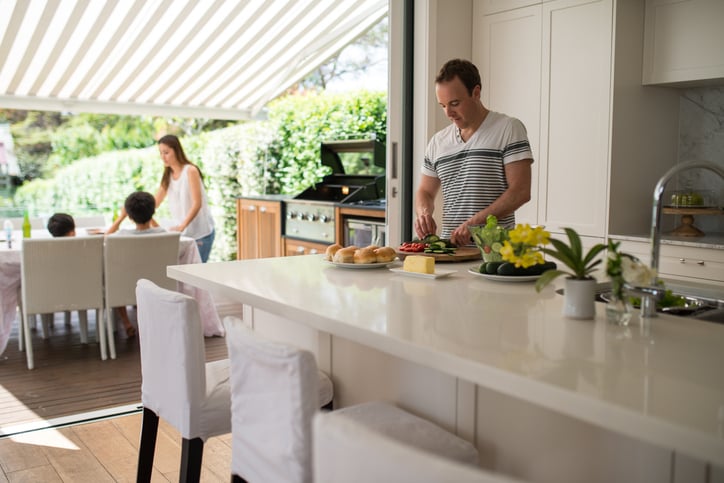
Outdoor kitchens have evolved far beyond a single grill. Many homeowners now include built-in grills, refrigeration, storage cabinets, and durable counter space so food preparation can happen outside without constant trips indoors.
One of the key decisions is whether to use a built-in gas grill connected to the home’s gas line or a more flexible portable setup. Built-ins tend to feel more integrated and convenient, especially for homeowners who cook outside frequently.
Layout and safety also play a role. Proper ventilation, clearance from siding or roof structures, and wind direction all need to be considered when placing cooking equipment. Easy-to-clean surfaces like stone or sealed countertops help the space stay functional over time.
When designed well, the outdoor kitchen works as an extension of the indoor one, keeping everyone connected instead of splitting activity between two areas.
4. Outdoor Spaces Designed for Gathering
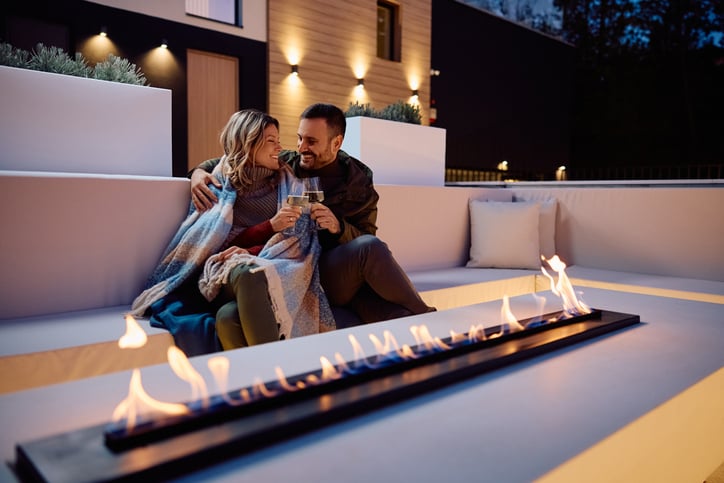
Sometimes the biggest improvement to a backyard is simply creating a place where people want to sit. Many homeowners add defined seating areas that give the space a clear purpose.
This might include a fire pit surrounded by chairs, a dining table under string lighting, or built-in bench seating along a patio edge. Gas fire features are often preferred for convenience and consistent flame control, while wood-burning options appeal to homeowners who want a more traditional experience.
Spacing matters here too. Allowing enough room between seating and the fire feature, as well as clear walking paths around the area, helps the space feel comfortable instead of crowded.
Once these areas are in place, they tend to become the default spot people gravitate toward, especially in the evenings when the rest of the house starts to wind down.
5. Outdoor Spaces That Support Everyday Life
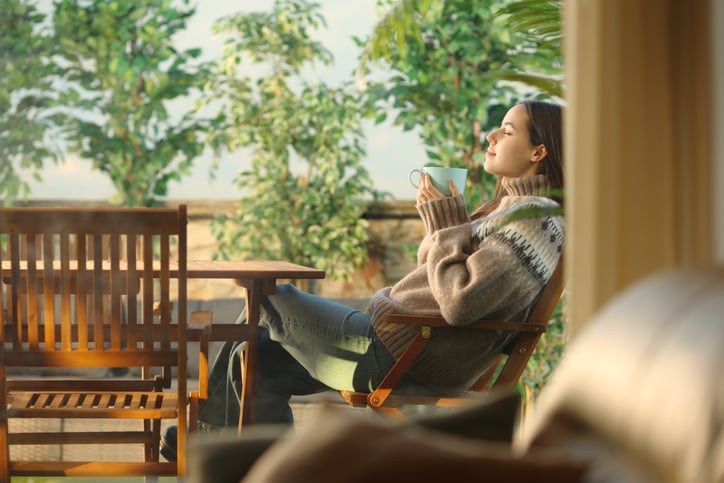
The best outdoor spaces are not designed only for entertaining. They support everyday routines.
That might be a small table positioned to catch morning light, a covered patio where kids can play within sight of the kitchen, or a quiet corner that works for calls or reading. Details like outlet placement, lighting, and proximity to interior spaces make these areas more usable throughout the day.
Small design decisions often make the biggest difference. Wider door openings, direct sightlines from the kitchen, and covered zones that stay comfortable during different parts of the day all contribute to how often the space is used.
During the design process, we spend time understanding how homeowners already use their yard and where they naturally spend time. That might mean walking the property together, talking through daily routines, or identifying areas that go unused. Those insights help guide layout decisions early, so the outdoor space connects naturally to the home and supports how the family actually lives day to day.
Indoor–Outdoor Living Is Really About Flow
Most homeowners don’t start a remodel thinking about indoor–outdoor design. They want their home to feel more open, flexible, and comfortable. Indoor–outdoor living works because it improves how people move through their home. It removes barriers between spaces that were once separate and makes it easier to use the home as a whole.
Dinner might start inside and drift outside. Kids move between the yard and the living space. Even a quiet evening can shift from the couch to the patio without much thought.
When that transition feels natural, the entire home starts to function differently. And often, the spaces that get used the most are the ones that make stepping outside feel easy.
Ready to see what indoor-outdoor solutions could work for your home?
Schedule a Virtual Discovery session to start the conversation: https://www.mossbuildinganddesign.com/contact-moss