
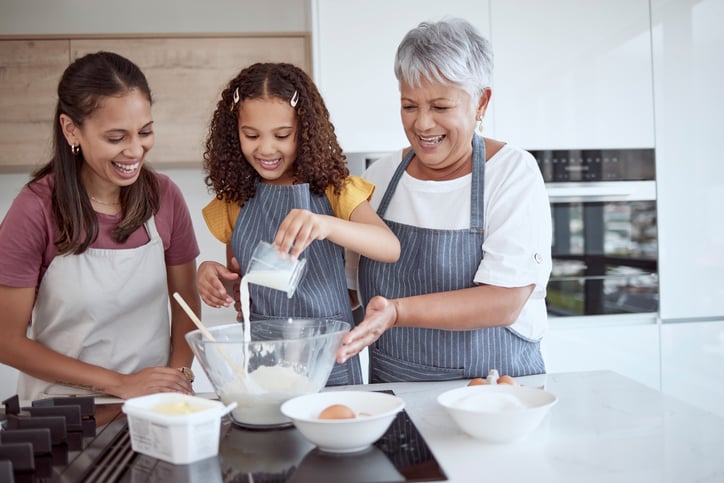
For many families, the kitchen isn’t just where meals are made—it’s where stories are shared, traditions are passed down, and everyday moments turn into lasting memories. It’s where grandparents teach grandchildren family recipes, where partners cook side by side after long days, and where holidays come alive around a crowded island.
But when more than one person wants to cook at a time, a kitchen that once “worked” can suddenly feel tight, stressful, and limiting.
Designing a kitchen for multiple cooks isn’t about adding luxury; it’s about creating space for connection, flow, and togetherness.
When a Kitchen No Longer Works for the Way You Live
Many homeowners don’t realize their kitchen is holding them back until everyday moments start to feel frustrating:
- Only one person can cook comfortably at a time
- Prep space disappears as soon as someone else walks in
- Appliances interrupt natural traffic flow
- Holiday cooking feels chaotic instead of shared
For families who love to gather, entertain, or cook together, these issues go beyond inconvenience. They change how often meals are shared, how connected the space feels, and whether the kitchen invites people in or pushes them out.
Because cooking together isn’t just about food.
It’s about kids baking at the counter, siblings prepping holiday meals side by side, grandparents passing down traditions, and friends lingering nearby while dinner comes together. A kitchen designed for multiple cooks makes room for those moments—without crowding, collisions, or compromise.
Quick Self-Check: Is Your Kitchen Struggling with Multiple Cooks?
You may be dealing with a layout issue—not just a storage problem—if:
- You routinely ask others to “get out of the kitchen” so you can finish cooking
- Two people can’t open the fridge, dishwasher, or oven at the same time
- Prep space disappears the moment someone else joins you
- Holiday meals feel more like logistics than connection
If you checked two or more of these, your kitchen likely needs a layout rethink—not just new cabinets or better organization.
Key Design Principles for Multi-Cook Kitchens
Designing a kitchen for multiple cooks starts with understanding how people move, gather, and work together—not just where cabinets go.
When a Kitchen Bump-Out Makes Sense
In many homes—especially older ones—the challenge isn’t just layout; it’s square footage. There simply isn’t enough room for multiple people to work comfortably at once.
That said, a bump-out isn’t always the first or only solution. In some homes, we can dramatically improve flow simply by rethinking layout, clearances, and appliance placement.
A kitchen bump-out tends to make sense when:
- You’ve optimized the layout, but the kitchen still feels tight during daily use
- Two people can’t prep or cook at the same time without crossing paths
- You want space for a second prep zone or larger island that won’t fit within the existing footprint
- Natural light is limited and there’s an opportunity to add windows or doors
It’s also important to understand the tradeoffs:
- Budget: A bump-out is a larger investment than a layout-only remodel, but it can often be phased alongside other kitchen upgrades
- Structure: Not every wall can move, and setbacks or lot constraints may limit expansion—but thoughtful design often reveals creative ways to rework the space you already have
For families who cook together often, a well-planned bump-out can be the difference between a kitchen that feels crowded and one that truly supports shared cooking.
Designing for Multi-Generational Living
When multiple generations share a home, kitchens need to work for different rhythms, heights, and habits.
Thoughtful multi-generational kitchen design often includes:
- Accessible layouts and clear pathways
- Lower or split-height counter sections for seated prep
- Microwave drawers or wall ovens at accessible heights
- Lever handles or touchless fixtures for arthritic hands
- Quiet zones for early risers or late-night cooks
- Durable, low-maintenance materials that stand up to constant use
The goal isn’t just function; it’s creating a kitchen that respects how each family member uses the space.
How MOSS Helps Homeowners Get It Right
Designing a kitchen for multiple cooks requires more than choosing finishes—it requires listening.
At MOSS, we start by understanding:
- Who cooks and when (and how that changes on weekends or holidays)
- How meals are shared—from quick weeknights to long Sunday cooking sessions
- What feels frustrating in the current kitchen
- Whether you enjoy everyone gathering in the kitchen or prefer some separation
- Specific routines we should design around, like big game days or holiday hosting
- What moments matter most to your family
From there, we help homeowners explore layout options, evaluate whether a bump-out makes sense, and design a kitchen that supports both daily routines and meaningful gatherings.
Because the best kitchens don’t just look beautiful. They make space for people to be together.
A Kitchen Built for Togetherness
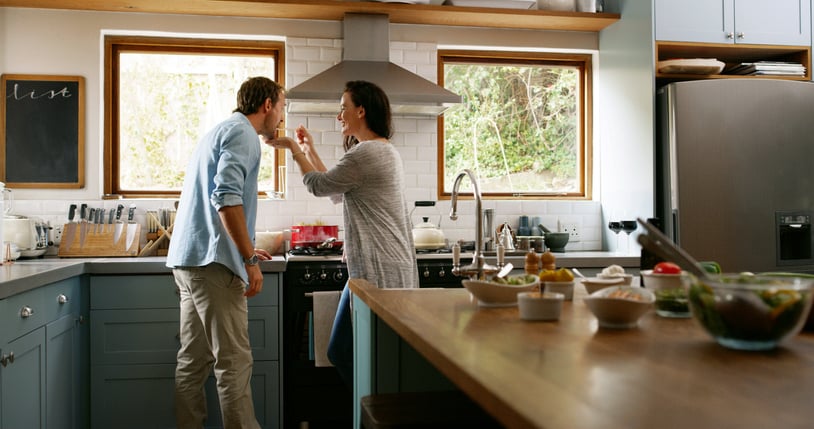
When a kitchen works for multiple cooks, something shifts. Cooking becomes collaborative instead of chaotic. Hosting feels joyful instead of stressful. Meals become shared experiences instead of rushed routines.
And whether that transformation comes from a reimagined layout, a smart bump-out, or a full kitchen remodel, the goal is always the same: a space that fits the way your family truly lives.
If cooking together feels more chaotic than connected, our team can walk your current kitchen with you, pinpoint where bottlenecks happen, and help you explore whether a smarter layout—or a modest bump-out—would make the biggest difference for your family.
MOSS is here to guide you through the options that truly make sense for your home.
Schedule your virtual discovery session today: https://www.mossbuildinganddesign.com/contact-moss