
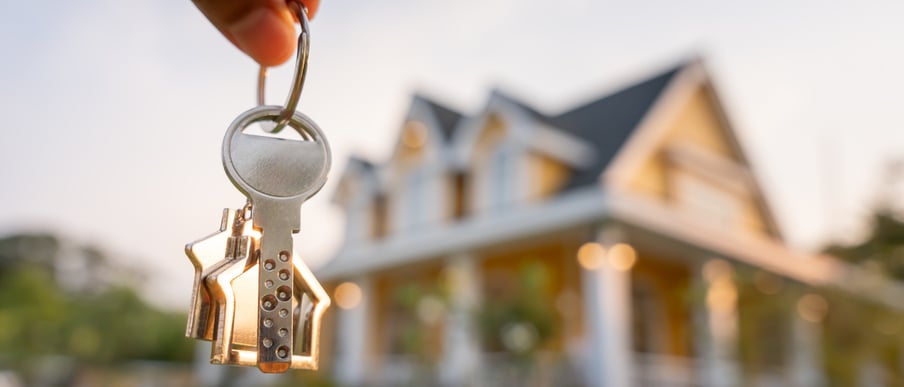
Spring is usually when listings spike, signs go in the ground, and moving trucks become part of the neighborhood rhythm. But more homeowners are pressing pause on moving and asking a different question. Some are watching interest rates. Others are paying attention to broader uncertainty like economic shifts or the unpredictability of timing a move. But for many, the decision is more personal than financial. They like where they live. They know their neighbors. Their kids are settled in school. The house may not be perfect, but it’s familiar. And that changes the question.
It’s no longer, “Should we move?” It becomes, “How do we make this home work better for us?”
The Real Reason People Stay
On paper, moving can seem like the easier option. Find a house that checks more boxes and start fresh. In reality, it’s rarely that simple. Homes that truly fit your needs in the Washington DC metro area are limited. The ones that do exist often require tradeoffs—location, lot size, layout, or price. Even then, many still need work once you move in. Staying starts to look different when you weigh those realities. You already understand what works about your current home—the light, the street, the rhythm of the neighborhood. What’s not working is usually more specific: a closed-off kitchen, limited space to work from home, or a layout that no longer matches how your family lives day to day.
Remodeling With a Different Mindset
When homeowners choose to stay, the goal of remodeling shifts. This isn’t about quick updates or resale value. It’s about shaping the home around how you want to live for the next five, ten, or fifteen years. That mindset changes the decisions being made.
For many families, that looks like:
- Opening the main level so the kitchen connects to where people actually gather
- Adding dedicated workspaces instead of working from the dining table
- Building storage that reduces everyday clutter
- Reworking entry points so backpacks, shoes, and daily items have a place to land
Individually, these changes may seem small. Together, they remove friction from daily life in ways that are immediately noticeable.
Why Timing Matters More Than People Think
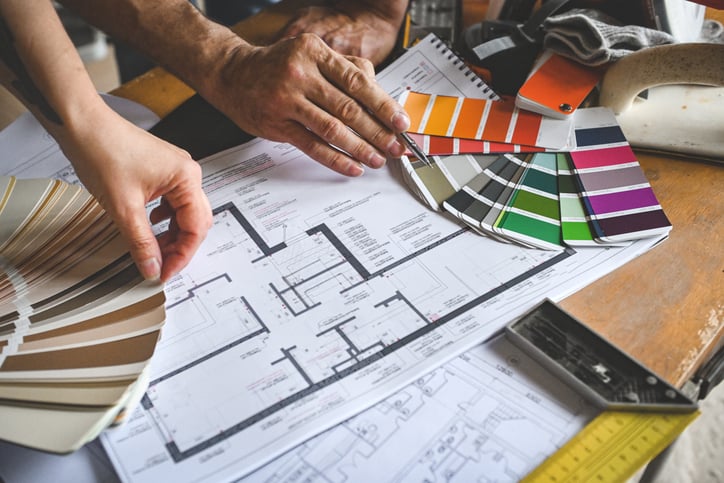
One of the biggest misconceptions about remodeling is how long it takes to plan well. By the time construction begins, months of decisions have already been made. Layouts are tested, tradeoffs are discussed, and engineering and permitting are worked through. For larger remodels or additions, the planning phase alone can take 8–12 weeks, sometimes longer depending on complexity. That timeline has real implications. If you’d like construction to start in early fall, planning often needs to begin in late spring or early summer. That’s why “not moving season” often becomes “start planning season.” While the market slows down, homeowners who plan ahead are able to move forward with clarity instead of rushing decisions later.
Staying Doesn’t Mean Settling
There’s a difference between staying in a home because you have to and choosing to stay because you see what it could become. We’ve worked with homeowners who started with one project—a basement, a kitchen, or an addition—and gradually transformed their home over time. Not all at once, but with a clear direction. Each phase builds on the last, and each decision is grounded in real experience living in the space. Over time, the house evolves into something that feels intentional rather than pieced together.
What This Means for You
If you’re thinking about staying in your home, the first step isn’t choosing finishes or collecting inspiration photos. It’s stepping back and understanding what’s actually not working.
Where does your day feel inefficient?
Where do routines break down?
Where does the house feel like it’s working against you instead of with you?
Those answers shape everything that follows.
In a Virtual Discovery Session, we’ll talk through where your home feels tight or frustrating now, and what a phased or full remodel could look like if you decide to stay. We start with how you live today, then map out what changes would make the biggest difference. Because in a season where more people are choosing to stay, the goal isn’t just to improve your home. It’s to make sure it’s ready for what comes next.
Ready to uncover how staying and remodeling (and not moving) could improve your home?
Schedule a Virtual Discovery session to start the conversation: https://www.mossbuildinganddesign.com/contact-moss