
As life changes, it's natural for the way you use your home to change as well.
The living room that once felt spacious may now become overcrowded when family and friends gather. The kitchen island that was meant for meal prep may also be collecting backpacks, mail, laptops, and everything else that comes with a busy household. A guest bedroom may have evolved into a home office, while storage spaces that once seemed sufficient suddenly feel stretched beyond capacity.
These moments don't necessarily mean there's something wrong with your home. More often, they're signs that your needs, routines, and priorities have evolved over time.
Fortunately, that's also what makes remodeling such an exciting opportunity. Rather than simply updating finishes or replacing what's outdated, a remodel allows you to think intentionally about how you want your home to support the next chapter of your life.
Whether you're planning for a growing family, changing work arrangements, aging in place, or simply hoping to make everyday life a little easier, remodeling gives you the chance to create a home that reflects not only where you are today, but where you're headed in the future.
Focus on How You Want to Live—Today and in the Future
When planning a remodel, it's easy to start with a list of updates you'd like to make to address immediate frustrations: updating an outdated kitchen, adding storage to the primary bathroom, or reworking a layout that no longer fits the way your family uses the space. While those improvements are important, it can be equally valuable to think beyond today's needs and consider how your home can support you in the years to come.
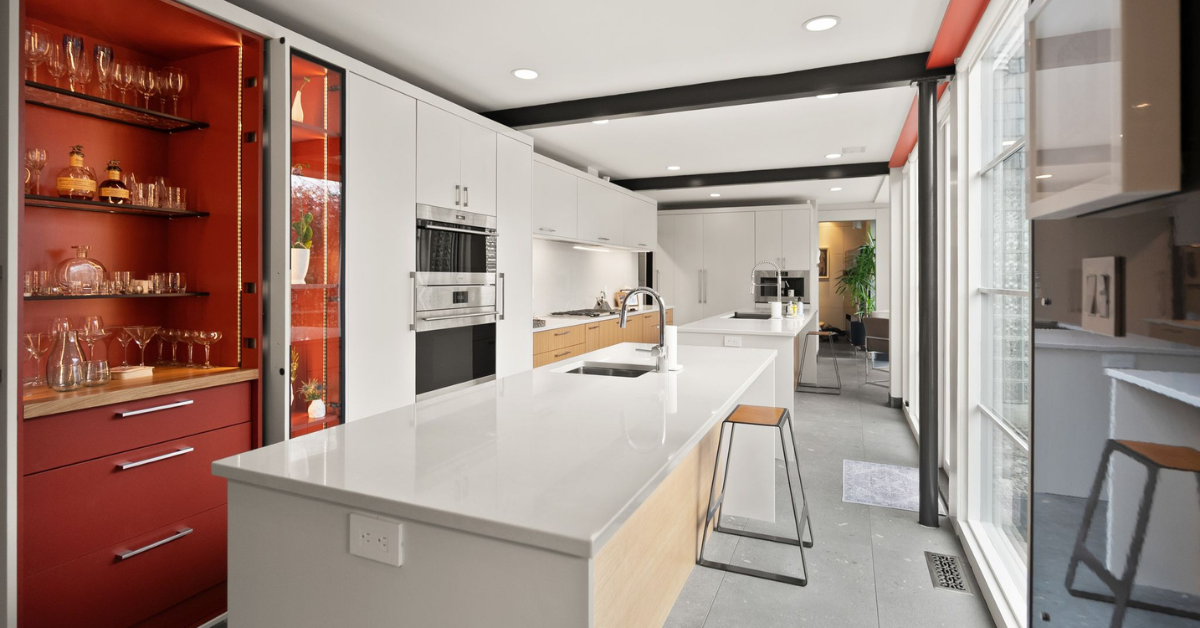
How do you want your mornings to feel? Do you envision gathering around a larger kitchen island while helping with homework? Would you like more room to entertain, a dedicated workspace, better organization, or more natural light? Starting with these questions can help shift the focus from individual rooms and features to the overall lifestyle you're trying to create.
As you think about your project, it's also worth considering how your needs may evolve over time. Young children become teenagers. Teenagers leave for college. Work-from-home arrangements change. Aging parents may need a comfortable place to stay. Retirement can create new opportunities, hobbies, and routines.
You don't need to predict every detail of the future, but considering how your life may change can help guide decisions that continue serving you well for years to come. When you think about both the life you're living today and the life you hope to live in the future, decisions about layouts, additions, storage solutions, and design features often become easier to evaluate. A little foresight during the planning process can create flexibility and value long after construction is complete.
.png?width=960&height=502&name=life%20you%20want_blog%20(3).png)
Build Flexibility Into the Design
One of the advantages of remodeling is the opportunity to create spaces that can evolve alongside your needs.
A home office can double as a guest room. A finished basement can support everything from entertaining to multigenerational living. An addition can provide extra space today while creating flexibility for tomorrow. Even thoughtful decisions like wider walkways, curbless showers, improved accessibility, or flexibile-use spaces can create benefits that extend far beyond your immediate needs.
Flexibility isn't about planning for every possible scenario. Instead, it's about creating a home that's capable of adapting as life changes without requiring another major renovation down the road.
As you consider different layouts and design options, think not only about how a space will function today, but how it might support you in the years ahead.
What Will Matter Years from Now?
Not every remodeling decision carries the same weight.
Some choices influence how a space looks, while others shape how it functions every day. As you evaluate layouts, additions, storage solutions, appliances, materials, and finishes, it can be helpful to think beyond what's exciting right now and focus on what you'll continue to appreciate years from now.
For some homeowners, that may mean investing in better storage and organization. For others, it could involve improving traffic flow, creating stronger connections between rooms, expanding gathering spaces, or introducing more natural light. These improvements often become part of everyday life in ways that continue delivering value long after construction is complete.
The same thinking applies to material selections. Countertops, cabinetry, flooring, appliances, and fixtures contribute to the overall experience of a home. Choosing durable materials, quality craftsmanship, and timeless design elements can help ensure your investment continues to support your lifestyle long after trends have changed.
For many homeowners, a major remodel is something they plan to do once. That's what makes remodeling such a meaningful opportunity. It's not just about creating a home you'll love on move-in day—it's about creating a home you'll still love years down the road.
Start the Conversation
The best remodeling projects don't just solve today's challenges—they help prepare your home for the future.
If you're beginning to explore ideas, start with Natalie to browse real project photos and discover possibilities for your space. When you're ready to discuss your goals, schedule a virtual discovery session with our team and let's talk about creating a home that supports the life you want to live.