Blog
Home Transformation: Explore Unique Types of Home Additions
Are you considering giving your home a new look with some unique additions but don’t know which one will suit you best? Don’t worry. We have sorted some Unique home additions in this blog just for you. We will also discuss their benefits and other factors you must consider while selecting a home addition.
Top Unique Home Additions Ideas
Here is the list of unique home additions and their advantages for you
Sunroom or Solarium:
- Increases natural light intake, elevating mood and reducing reliance on artificial lighting during the day.
- Solarium provides a tranquil space for relaxation, reading, or indoor gardening.
- Extends living space, allowing for more versatile use of your home.
Indoor Garden or Greenhouse:
- Indoor garden enables year-round gardening regardless of outdoor weather conditions.
- Offers a controlled environment for nurturing plants, vegetables, and flowers.
- Indoor air helps to improve air quality by filtering pollutants and increasing oxygen levels.
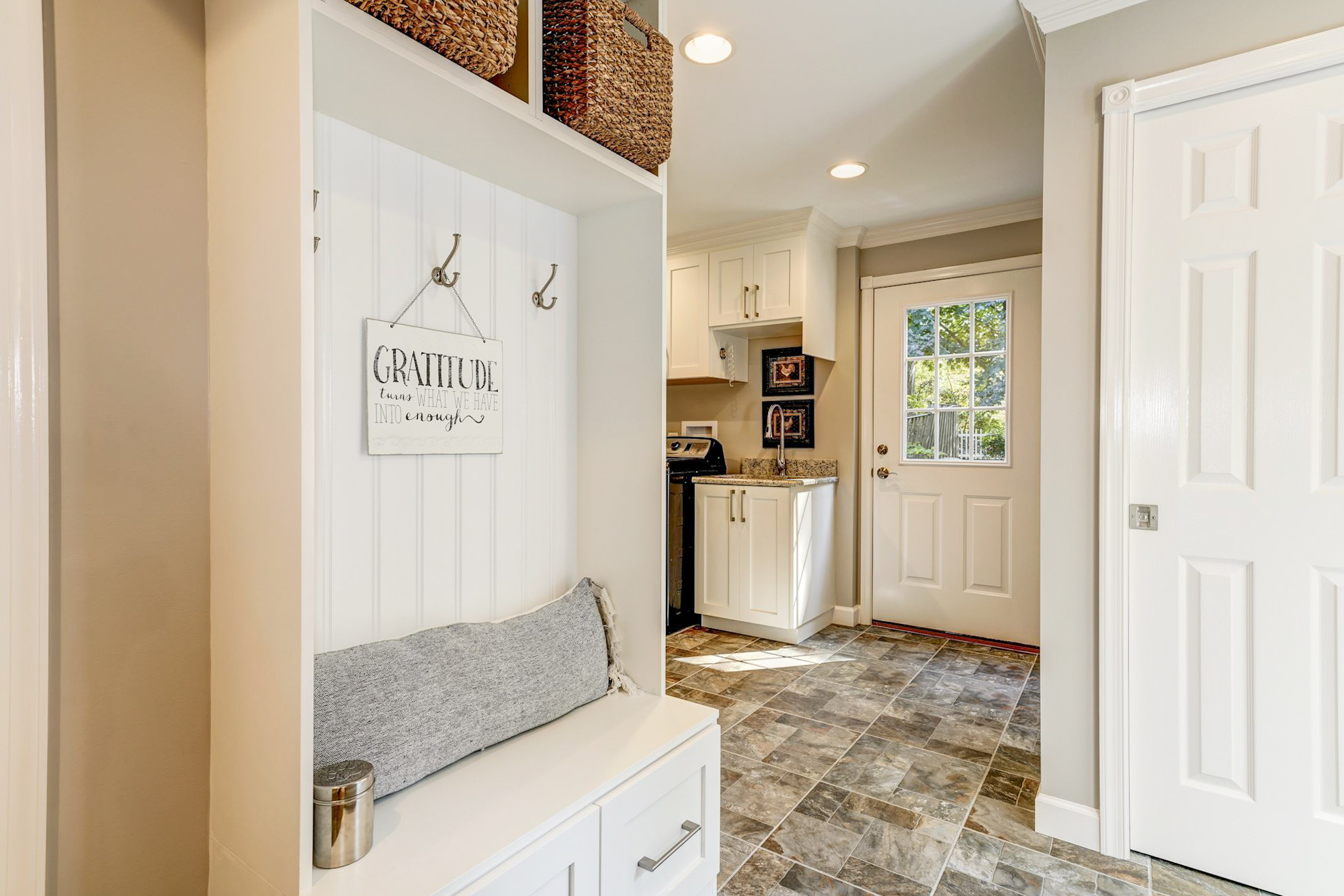
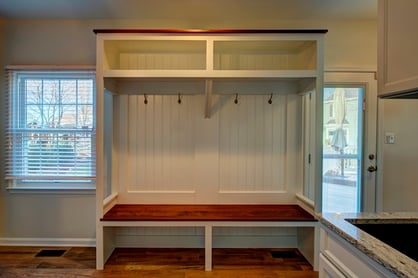
Mudroom:
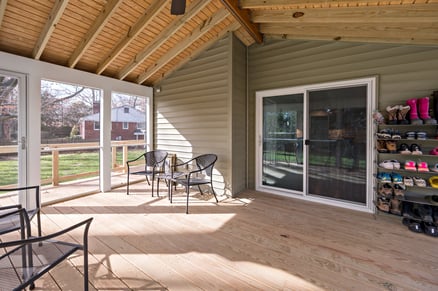
- The mudroom helps maintain cleanliness by providing a designated space for removing outdoor footwear and gear.
- It prevents dirt, mud, and moisture from being tracked throughout the house, reducing cleaning efforts.
- Acts as a functional transition between the outdoors and the main living areas.
Home Office or Studio:
- Facilitates productivity and focus by providing a dedicated workspace away from distractions.
- Allows for customization and organization of work materials, enhancing efficiency.
- Supports remote work opportunities and fosters a healthy work-life balance.
Wine Cellar or Tasting Room:
- Provides optimal storage conditions for preserving and aging wine, protecting it from temperature fluctuations and light exposure.
- Creates a sophisticated space for wine enthusiasts to showcase their collections and host tastings.
- The wine cellar enhances the overall value and appeal of the home, especially for buyers with an appreciation for wine culture.
Library or Reading Nook:
- The library promotes relaxation, stress reduction, and mental stimulation through leisure reading and quiet contemplation.
- Fosters a love for learning and literacy within the household, especially for children.
- Adds aesthetic charm and character to the home with personalized book collections and cozy furnishings.
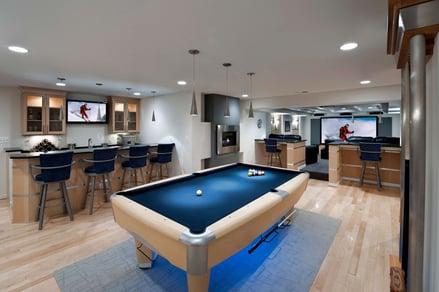
Home Theater or Entertainment Room:
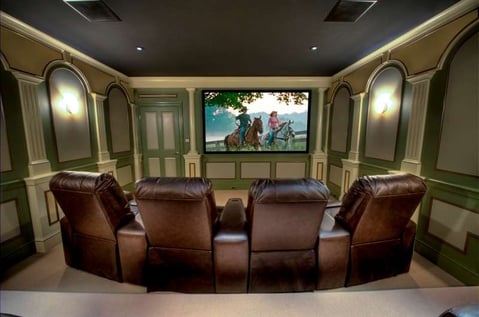
- The entertainment room offers a premium experience with immersive audiovisual technology and comfortable seating.
- Provides a convenient venue for family movie nights, gaming sessions, and social gatherings and reduces the need for frequent outings to cinemas and theaters, saving time and money in the long run.
Multi-Purpose Room:
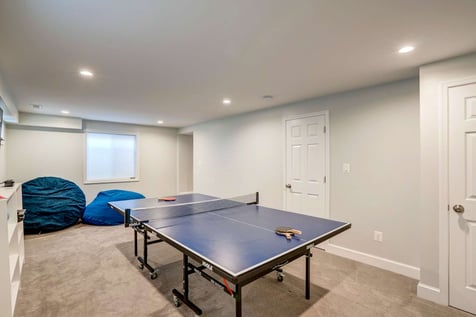
- Maximizes flexibility and functionality by accommodating a variety of activities and needs and adapts to evolving lifestyle changes, such as growing families or shifting interests.
- Optimizes space usage and efficiency by consolidating multiple functions into one area.
These were the Home additions to consider, but the list is incomplete. There are more ideas on the website. You can also contact us to learn more about home design ideas.
Factors to Consider in Choosing Best Home Addition
Choosing the best home addition for you involves carefully considering several factors, including your lifestyle, needs, budget, available space, and long-term goals. Here are steps to help you make an informed decision:
Assess Your Needs and Priorities:
- Consider how you currently use your home and identify areas that could benefit from additional space or functionality.
- Determine your priorities, whether creating a dedicated workspace, expanding living areas for entertaining, or enhancing relaxation and leisure activities.
Evaluate Available Space and Budget:
- Assess your property to determine the available space for a home addition, considering zoning regulations, setback requirements, and structural feasibility.
- Establish a realistic budget for the project, taking into account construction costs, materials, permits, and any associated expenses.
Research Different Types of Home Additions:
- Explore various home additions, such as sunrooms, offices, entertainment rooms, or outdoor living spaces.
- Consider each option's benefits, functionality, and aesthetic appeal in relation to your specific needs and preferences.
Consult with Professionals:
- Engage with architects, designers, and contractors specializing in home additions to gain insights and expertise.
- Discuss your ideas, goals, and budget constraints with professionals to explore viable options and develop a comprehensive plan.
Consider Long-Term Value and Resale Potential:
- Research the average costs and expected returns for home additions in your local real estate market and compare the initial investment required for each project with the potential increase in property value and resale price.
- While prioritizing resale potential, consider how the home addition will enhance your quality of life and meet your needs and preferences.
Think About Lifestyle and Future Needs:
- Consider how your lifestyle may evolve, including changes in family dynamics, work arrangements, or recreational activities.
- Choose a home addition that can adapt to your evolving needs and provide long-term functionality and enjoyment.
Visualize the Finished Space:
- Use design tools, sketches, or virtual renderings to visualize how the proposed home addition will integrate with your existing property and complement your overall aesthetic preferences.
- Consider architectural style, interior layout, and exterior landscaping to ensure cohesion and harmony.
Seek Inspiration and Gather Ideas:
- Explore home improvement ideas through mediums like lifestyle magazines, websites, and social media platforms to gather inspiration and ideas for your home addition project. You can also contact Home Addition Services to know about some unique home addition ideas.
- Take note of design trends, innovative solutions, and creative layouts that resonate with your taste and lifestyle.
Conclusion
In conclusion, the journey towards transforming your home with unique additions is an exciting opportunity to enhance your living experience and the value of your property. By exploring options like sunrooms, indoor gardens, home offices, and entertainment rooms, you can tailor your space to suit your lifestyle and preferences. However, the decision-making process should consider available space, budget, long-term value, and future needs carefully.
Consulting with professionals like MOSS Building & Design and seeking inspiration can further guide you in creating a space that reflects your personality while accommodating practicality and functionality. With thoughtful planning and attention to detail, your home can become a haven of comfort, style, and versatility for years.
Rustic Retreats: Transforming Homes into Country Havens
Imagine stepping into a cozy, inviting space that exudes tranquility and warmth. Rustic design can transform any home into a country haven, providing a peaceful escape from the hustle and bustle of modern life. By incorporating natural materials, earthy colors, and comfortable furnishings, you can create a rustic retreat that embraces the beauty of nature. In this article, we will explore the key elements of rustic design, provide practical tips for planning your rustic transformation, discuss the selection of materials and textures, and delve into the world of rustic furniture and color schemes. Join us on this journey to discovering the charm of rustic retreats.
Understanding the Rustic Aesthetic
Before embarking on a rustic transformation of your home, it's essential to understand the aesthetic that defines this style. Rustic design draws inspiration from nature, emphasizing simplicity, authenticity, and natural beauty. It embraces imperfections and celebrates the rawness of materials, evoking a sense of timelessness and tranquility. Key elements that define the rustic aesthetic include natural textures, earthy colors, and a connection to the outdoors.
Key Elements of Rustic Design
Rustic design is characterized by certain key elements that help create its distinct aesthetic. Natural materials, such as wood and stone, play a vital role in rustic interiors. These materials bring warmth and texture to the space, creating a cozy and inviting atmosphere. The use of reclaimed or aged wood adds to the rustic charm, infusing the design with character and history. Another important element is the inclusion of organic textures, such as woven fabrics, rustic metals, and natural fibers.

The Appeal of Rustic Style
The appeal of rustic style lies in its ability to create a serene and welcoming environment. By incorporating elements inspired by nature, rustic design provides a break from the chaos of modern life. It allows us to reconnect with the simplicity and beauty of the natural world. Whether you live in a bustling city or a rural area, a rustic retreat can transport you to a tranquil countryside setting, even if just for a moment.
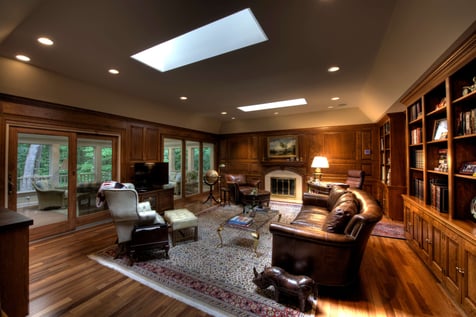
Imagine stepping into a rustic cabin nestled deep in the heart of a lush forest. The scent of pine fills the air, and the soft glow of a crackling fireplace warms the room. As you sink into a plush leather armchair, you can't help but notice the intricate details of the hand-carved wooden coffee table in front of you. Its rich, earthy tones and natural grain tell a story of craftsmanship and time-honored traditions.
Looking around, you see a cozy reading nook tucked away in the corner, adorned with plush cushions and a knitted blanket. The shelves are lined with weathered books, their pages yellowed with age, inviting you to escape into another world. The walls are adorned with rustic artwork, depicting scenes of rolling hills, babbling brooks, and majestic wildlife. It's as if nature has been invited indoors, creating a harmonious blend of the outside world and the comforts of home.
Planning Your Rustic Transformation
Embarking on a rustic transformation requires careful planning to ensure that your vision becomes a reality. Here are a few essential steps to consider:
Transforming your living space into a rustic haven involves more than just aesthetic changes; it's about creating a cozy and inviting atmosphere that reflects the beauty of nature. By incorporating natural elements like wood, stone, and earth tones, you can bring the warmth and charm of the outdoors inside.
.jpg?width=600&height=400&name=REA04887%20(1).jpg)
Assessing Your Space
Start by assessing your space and determining how the rustic aesthetic can be incorporated. Consider the size and layout of the room, as well as the existing architectural features. This will help you determine which elements of rustic design will work best in your home. Additionally, take note of any challenges or limitations that may need to be addressed during the transformation process.
Look for opportunities to enhance the natural light in your space, as it can play a significant role in creating an airy and open feel. Consider ways to maximize views of the outdoors, whether through strategically placed windows or by incorporating elements like indoor plants to bring a touch of greenery inside.
Setting a Budget
Setting a budget is an important step in any home transformation project. Determine how much you are willing to invest in creating your rustic retreat, taking into account materials, furnishings, and any professional help you may require. Having a clear budget in mind will guide your decision-making process and help you prioritize where to allocate funds.
When setting your budget, remember to factor in any unexpected costs that may arise during the renovation process. It's also a good idea to set aside a contingency fund to cover any unforeseen expenses that may pop up along the way. By planning ahead and being prepared, you can navigate the transformation process smoothly and with peace of mind.
Choosing Rustic Materials and Textures
When it comes to creating a rustic retreat, the choice of materials and textures is crucial. By selecting the right elements, you can bring the essence of nature indoors and create a harmonious and cohesive design. Let's explore two key components of rustic design: natural wood and stone, and fabric choices that enhance the rustic look.
Embracing a rustic design aesthetic goes beyond just selecting the right furniture pieces; it's about immersing yourself in a natural and earthy atmosphere. One way to achieve this is by incorporating elements of nature directly into your space. Consider adding potted plants, dried flowers, or even a small indoor herb garden to bring a touch of the outdoors inside. These living elements not only enhance the rustic vibe but also contribute to a sense of tranquility and well-being.

Natural Wood and Stone
Natural wood and stone are fundamental elements of rustic design. Wood, with its warm tones and grain patterns, adds instant rustic charm and creates a cozy atmosphere. Consider incorporating reclaimed or distressed wood for a more authentic look. Stone, whether it be on a fireplace, as a backsplash, or as accent walls, adds texture and character to your space, evoking the feeling of a cabin in the wilderness.
When working with natural wood and stone, don't be afraid to mix and match different finishes and textures. Combining rough-hewn beams with smooth river stones or pairing polished granite countertops with knotty pine cabinets adds depth and visual interest to your rustic decor. The juxtaposition of these materials creates a dynamic interplay that reflects the beauty of the natural world.

Fabric Choices for a Rustic Look
Choosing the right fabrics can enhance the rustic aesthetic of your home. Opt for natural materials, such as linen, cotton, and burlap, as they add warmth and texture. Woven fabrics, like cozy blankets and chunky knit throws, create a sense of comfort and invite relaxation. When selecting patterns, consider rustic motifs such as plaids, stripes, and nature-inspired prints, which further reinforce the connection to the outdoors.
To amplify the cozy and inviting feel of your rustic space, layering different textures and fabrics is key. Mix soft, plush materials like faux fur or sheepskin with rougher textures such as jute or canvas to create a tactile experience that engages all the senses. Adding throw pillows in varying fabrics and patterns not only enhances the visual appeal of your decor but also provides an opportunity to infuse pops of color and personality into the room.
Incorporating Rustic Furniture
One of the most exciting aspects of creating a rustic retreat is selecting the furniture that will bring your vision to life. By carefully choosing rustic furniture pieces, you can strike a balance between comfort and style, creating a space that is both functional and aesthetically pleasing.
Selecting the Right Pieces
When selecting rustic furniture, look for pieces that showcase natural materials and craftsmanship. Wooden furniture with distressed finishes or handcrafted details can add character to your space. Incorporate pieces with a rustic charm, such as a farmhouse dining table, a leather armchair, or a reclaimed wood coffee table. These pieces not only serve a practical purpose but also become focal points, welcoming you and your guests into your rustic retreat.
Balancing Comfort and Style
While rustic design often evokes a sense of simplicity, it's essential to prioritize comfort in your rustic retreat. Look for furniture that offers both visual appeal and comfort, such as plush sofas and chairs with soft upholstery. Introducing cozy textures through cushions and throws can further enhance the comfort of your rustic retreat, creating a space where you can unwind and relax.

Rustic Color Schemes
The colors you choose for your rustic retreat can greatly impact the overall ambiance and atmosphere. Rustic design favors earth tones and neutrals, which create a sense of warmth and grounding. Let's explore how these colors can be incorporated into your rustic transformation.
Earth Tones and Neutrals
Earth tones, such as warm browns, rich creams, and deep greens, form the foundation of rustic color schemes. These colors evoke a natural, organic feel and help create a cozy and inviting space. Beige and taupe can serve as versatile neutrals, providing a neutral backdrop that allows other rustic elements to shine. Consider incorporating natural materials in these earthy tones, such as wooden furniture and stone accents, to enhance the overall ambiance.
Pops of Color in Rustic Design
While rustic design often leans toward earthy tones, pops of color can add visual interest and personality to your space. Consider incorporating small accents in vibrant hues, such as burnt orange, deep red, or mustard yellow. These pops of color can be introduced through accessories like artwork, pillows, or rugs, creating focal points that add depth and character to your rustic retreat.

With the knowledge of the key elements, planning strategies, material and texture choices, and furniture and color selection, you are well-equipped to embark on your rustic transformation journey. By carefully curating each aspect of your rustic retreat, you can create a space that embraces the beauty of nature and provides a haven of tranquility and comfort within your own home. So, get ready to infuse your space with rustic charm and embark on this transformative adventure into the world of rustic design.
Moss 360 – A Virtual Reality Experience
Moss Buidling and Design is all about embracing technology. We have implemented a Virtual Reality (VR) experience to assist our clients while working through a home remodel or addition. This state-of-the-art experience allows our clients to see what their finished product will look like. Below are a few key features that show why Moss 360 is such a revolutionary tool!
Real Time Lighting

Moss truly puts the time and research into the project to make sure our client is completely satisfied with their remodel or addition. For every project, Moss will do a sun study that is programmed into Moss 360 so the client will be able to see what their property will look like at any time of the day. This is extremely helpful for clients who want to test out different design choices. For example, paint colors may look different depending on how the sun is hitting. Real time lighting will help the client determine if a paint color fluctuates too much depending on how much sun is coming through the windows.
Virtual Walkthrough

Every client has a vision and dream for their project. Moss 360 allows the client to step inside that vision and “see” what the finished project will look like. With this VR tool, our clients get to go inside the finished product before it has even been started in real life. This invaluable benefit provides insurance to our clients that their vision was fully matched by our team of architects and project managers.
How does a virtual walkthrough work? The architecture, design, and homeowner-picked selections are loaded into the Moss 360 program. Clients are given a state-of-the-art VR headset, and once they put it on, they are transported to their finished remodel/addition and can virtually walkthrough the entire house. If something feels off or the client wants to change something after virtually seeing it, our team will account for those changes in the plans without having to undo any physical work.
Custom Selections
.jpg?width=384&height=257&name=DSC01678%20(1).jpg)
The toughest part about picking out custom selections for your homes (cabinet color, door handles, light fixtures, etc.) is trying to visualize in your head how they would look in your home. With Moss 360, the guesswork is eliminated! You can step inside your home virtually and swap in different selections to see how they will look in your home. This is crucial to ensure that the selections you think will look the best fit the remodeled area perfectly. By incorporating Moss 360 into the remodel/addition process, the client will be able to see their vision in the virtual world, and then watch as that vision transitions into the real world.
Interested in new architecture in the Northern Virginia area? Reach out to Moss Building and Design today to inquire!
How to Manage the Timeframe of Your Kitchen Remodel/ Renovation?
Embarking on a kitchen remodel or renovation is an exciting endeavor, but it can also be a daunting one, especially when it comes to managing the timeframe. From planning and design to construction and finishing touches, numerous steps are involved, each with its own timeline considerations. However, with careful planning and strategic execution, you can navigate the process smoothly and ensure that your project stays on track. In this comprehensive guide, we'll explore how to manage the timeframe of your Kitchen remodel duration effectively.
1. Start with a Detailed Plan
Before diving into any renovation project, it's essential to have a clear and detailed plan in place. This plan should outline your goals, budget, and timeline for the project. Work with a designer or contractor to create a comprehensive design that encompasses all aspects of the remodel, from layout and materials to fixtures and finishes.
2. Set Realistic Expectations
Understanding the realistic timeframe for your kitchen remodel is crucial. While every project is unique, renovations typically take longer than initially anticipated. Factors such as unexpected delays, changes to the design, and availability of materials can all impact the timeline. By setting realistic expectations from the outset, you'll be better prepared to handle any challenges that arise along the way.
3. Establish a Timeline
Once you have a plan in place, create a detailed timeline that outlines each phase of the project, from demolition to completion. Be sure to factor in lead times for materials and fixtures, as well as any permits or approvals that may be required. Having a clear timeline will help you stay organized and ensure that work progresses smoothly.
4. Hire Reliable Professionals
Choosing the right team of professionals is essential for keeping your kitchen remodel on schedule. Look for experienced contractors, designers, and tradespeople who have a proven track record of delivering quality work on time. Communicate your timeline expectations upfront and make sure everyone is on the same page before work begins.
5. Stick to the Plan (But Be Flexible)
While it's important to stick to your timeline as much as possible, it's also essential to remain flexible and adaptable. Unexpected issues or changes to the design may arise during the course of the project, and it's essential to address them promptly while minimizing delays. Stay in close communication with your contractor and be prepared to make adjustments as needed to keep the project moving forward.
6. Manage Expectations
Throughout the remodel process, keep open lines of communication with everyone involved, including family members and other stakeholders. Keep them informed of progress, potential delays, and any changes to the timeline. Managing expectations and keeping everyone informed will help minimize frustration and ensure that everyone is on the same page.
7. Plan for Contingencies
No matter how well you plan, unexpected delays or issues may still arise during your kitchen remodel. It's essential to have a contingency plan in place to address these challenges quickly and effectively. Building some buffer time into your timeline can help accommodate unexpected delays without throwing off the entire project schedule.
8. Stay Organized
Organization is key to managing the timeframe of your kitchen remodel successfully. Keep all project-related documents, contracts, permits, and receipts in one central location for easy reference. Use project management tools or apps to track progress, deadlines, and communications with your contractor and other team members.
9. Celebrate Milestones
As you reach key milestones throughout the remodel process, take the time to celebrate your progress. Whether it's completing demolition, installing new cabinets, or finishing the countertops, acknowledging these achievements can help keep morale high and motivate everyone involved to stay focused on the end goal.
10. Finalize with Finishing Touches
As the final stages of your kitchen remodel approach, focus on completing any remaining finishing touches, such as paint touch-ups, hardware installation, and cleaning. These final details may seem minor, but they can make a significant difference in the overall look and feel of your new kitchen.
11. Coordinate Trades and Deliveries
Efficient coordination of tradespeople and deliveries is essential for keeping your kitchen remodel on schedule. Work closely with your Kitchen remodeling Services contractor to schedule subcontractors such as plumbers, electricians, and carpenters in a logical sequence to minimize downtime. Additionally, coordinate the delivery of materials and fixtures to ensure they arrive when needed, preventing unnecessary delays.
12. Monitor Progress Regularly
Stay actively involved in the remodel process by monitoring progress regularly. Schedule regular check-ins with your contractor to review the status of the project, address any concerns or issues that arise, and make decisions promptly to keep the project moving forward. By staying engaged and informed, you can proactively identify and resolve potential obstacles before they impact the timeline.
13. Prioritize Critical Tasks
Identify critical tasks that are essential to keeping the project on track and prioritize them accordingly. Focus on completing these tasks first to minimize the risk of delays cascading down the line. For example, if installing countertops is contingent on the completion of plumbing and electrical work, make sure those tasks are completed on time to avoid holding up the countertop installation.
14. Communicate Effectively
Effective communication is key to managing the timeframe of your kitchen remodel successfully. Maintain open lines of communication with your contractor, subcontractors, suppliers, and other stakeholders throughout the project. Clearly communicate your expectations, timeline, and any changes or updates that arise. Encourage feedback and address any concerns promptly to maintain a collaborative and productive working relationship.
Conclusion
Managing the timeframe of your Kitchen remodel duration requires careful planning, effective communication, and flexibility. By following these tips and staying organized throughout the process, you can ensure that your project stays on track and achieves the results you desire. Remember to set realistic expectations, hire reliable professionals, and stay adaptable in the face of unexpected challenges. With patience and perseverance, you'll soon be enjoying your newly renovated kitchen for years to come.
Planning to give a new look to your old kitchen? Connect with us at MOSS Building & Design today and get the best quotes.
Three Upgrades for Your Bathroom Remodel in Stafford, VA
Are you a Stafford, VA resident dreaming of a bathroom remodel? At Moss Building and Design, our expert build and design team can turn your bathroom remodel dreams into reality! Below are three upgrades for your bathroom remodel in Stafford.
Wide Shower with Dual Shower Heads

Nothing screams luxury more than an extra-wide shower with dual shower heads. You will have plenty of room to move around and never have to worry about rubbing against a cold shower wall. Both shower heads can be running at the same time with two different temperatures. A bathroom remodel with a wide shower with dual shower heads is the epitome of elegance. You can show off your bathroom remodel and impress everyone who comes over. Let Moss Building and Design help you become the talk of your neighborhood with your beautiful bathroom remodel.
Tile, Trim, and Backsplash

Many master bathrooms have standard white paint, tile, and trim. In your new bathroom remodel, stand out with a porcelain block for the whirlpool tub, exotic backsplash in the shower, and top-flight tile on the floor. Moss has near infinite combinations of tile, trim, and backsplash to create the exact aesthetic for your bathroom remodel. Whether you want to keep things simple and clean or spice it up, Moss can remodel your bathroom to match your vision.
Vanity Sink

Sinks can be extremely basic and cookie-cutter in most homes. Why not stand out from the crowd with a brand-new vanity sink with golden handles and spigot? Unique sinks are one of the rarest features of a bathroom. If you want something fresh and new, remember that Moss Building and Design is here for all of your remodeling needs. Is your master bathroom out of date? Call Moss and watch how it transforms into the bathroom of your dreams. We specialize in total home improvement, so no job is too big (or too small)! Right now is the perfect time to plan for a future bathroom remodel in your beautiful Stafford home.
Interested in a bathroom remodel in Stafford? Reach out to Moss Building and Design today to inquire!
Revitalize Your Home This Spring: Top Remodeling Projects to Consider
Springtime is the perfect season to breathe new life into your home through remodeling projects. Whether you're looking to update your living space or increase your home's value, there are countless opportunities to revitalize your home this spring. Understanding the benefits of spring remodeling, planning your project effectively, and considering top remodeling projects will ensure a successful home improvement endeavor. Additionally, outdoor remodeling projects and the decision to hire professionals or embark on a DIY journey are crucial aspects to consider. Let's explore these topics further and discover how you can transform your home this spring.
Understanding the Benefits of Spring Remodeling
There are numerous benefits to taking on a remodeling project in the spring. Firstly, the weather is generally more favorable during this season, allowing for easier construction work and minimal disruptions. Additionally, with longer daylight hours, contractors have more time to complete projects efficiently. Spring also provides an ideal opportunity to design and plan your remodel, ensuring your project is completed in time for the summer months.
Spring is a time of renewal and growth, making it the perfect season for breathing new life into your home. As nature blossoms outside, you can bring that same sense of rejuvenation indoors through a well-planned remodel. From refreshing color schemes to incorporating natural elements, spring offers a wealth of inspiration for your home improvement project.
Why Spring is the Ideal Time for Home Improvement
Spring is considered the ideal time for home improvement due to various factors. Firstly, it allows you to take advantage of the warmer weather and open windows for ventilation as the remodel takes place. Furthermore, many people tend to be in a better mood during spring, which can positively impact the overall experience of undergoing a renovation. Additionally, renovating in the spring ensures your home is ready to enjoy during the summer months, maximizing your investment.
Embracing a home improvement project in the spring not only enhances the aesthetic appeal of your living space but also contributes to your overall well-being. Studies have shown that a well-designed and organized home environment can reduce stress and increase productivity. By choosing spring for your remodeling endeavors, you are not just upgrading your home; you are investing in your own comfort and happiness.

The Impact of Remodeling on Your Home's Value
Remodeling your home can significantly increase its value. By updating key areas such as the kitchen, bathrooms, and living room, you can attract potential buyers and command a higher selling price. Moreover, a well-executed remodeling project can also improve the functionality and flow of your home, enhancing your daily living experience.
When considering the financial aspects of remodeling, it's essential to view it as a strategic investment rather than just an expense. A thoughtfully renovated home not only boosts its market value but also creates a more appealing and comfortable living space for you and your family. By choosing to remodel in the spring, you are not only adding value to your property but also setting the stage for years of enjoyment and satisfaction in your revitalized home.
Planning Your Spring Remodeling Project
Before diving into any remodeling project, it is essential to plan effectively to ensure a smooth and successful endeavor. Spring is the perfect time to breathe new life into your home, with longer days and warmer weather providing the ideal backdrop for renovations.
Consider starting your planning process by creating a vision board or a digital mood board. Collect images, color swatches, and design ideas that inspire you. This visual representation can help you clarify your style preferences and ensure a cohesive look throughout your remodeling project.
Setting a Budget for Your Remodel
Start by determining how much you are willing to invest in your project. Setting a realistic budget will help guide your decision-making process and ensure you do not overspend. Consider factors such as the cost of materials, labor, permits, and potential unforeseen expenses. It's always wise to allocate a contingency fund for unexpected surprises.
Researching the current market prices for materials and labor in your area can also help you set a more accurate budget. Reach out to multiple contractors for quotes and compare prices to ensure you are getting a fair deal without compromising on quality.

Prioritizing Projects: Where to Start
Prioritize the areas of your home that require the most attention. Assess which projects will have the greatest impact on your home's overall appeal, functionality, and value. Kitchen remodeling, bathroom upgrades, and living room revitalizations are popular choices that yield significant results.
When prioritizing projects, consider the long-term benefits in addition to the immediate visual impact. Energy-efficient upgrades, such as installing new windows or improving insulation, can lead to cost savings on utility bills and increase the sustainability of your home.
Top Remodeling Projects to Consider
When considering remodeling projects, the kitchen, bathroom, and living room are often top contenders due to their central role in daily life. Whether you are looking to increase the resale value of your property or simply create a more comfortable and stylish environment for your family, focusing on these key areas can yield impressive results.
Kitchen Remodeling Ideas
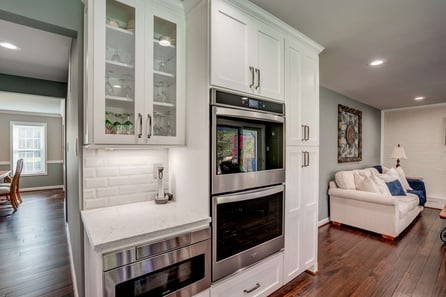
The kitchen is the heart of the home, and renovating it can breathe new life into your entire living space. Consider replacing outdated countertops and cabinets, upgrading to energy-efficient appliances, and incorporating stylish lighting fixtures. A fresh coat of paint and new flooring can also work wonders in transforming your kitchen.
Furthermore, when planning a kitchen remodel, think about optimizing the layout to improve functionality and workflow. Adding a kitchen island or creating a designated dining area can enhance both the visual appeal and practicality of the space. Additionally, investing in high-quality materials and finishes can ensure longevity and durability, making your kitchen a timeless and enjoyable area for cooking and entertaining.

Bathroom Upgrade Suggestions
Upgrading your bathroom can instantly elevate your home's appeal and functionality. Consider installing a new bathtub or shower, replacing old faucets and fixtures, and updating the vanity and countertops. Adding storage solutions and enhancing the lighting can also create a more inviting and spacious atmosphere.
Moreover, incorporating luxurious elements like heated flooring, a rain shower, or smart technology can add a touch of indulgence and modernity to your bathroom retreat. Paying attention to details such as tile patterns, hardware finishes, and accessories can tie the design together cohesively, creating a harmonious and relaxing environment for your daily routines.

Living Room Revitalization Tips
The living room is where memories are made, and revamping this space can breathe new life into your home. Consider replacing worn-out furniture, adding a fresh coat of paint, and updating window treatments. Enhancing the lighting and incorporating trendy décor elements can also add a touch of style and personality to your living room.
Furthermore, when redesigning your living room, think about creating distinct zones for different activities, such as a cozy reading nook, an entertainment area, or a conversation space. Selecting a cohesive color palette and mixing textures and patterns can add depth and visual interest to the room. Additionally, incorporating personal touches like family photos, artwork, and souvenirs can infuse the space with warmth and character, making it a true reflection of your unique style and personality.

Outdoor Remodeling Projects for Spring
While indoor renovations are essential, do not overlook the impact of outdoor remodeling projects on your home's overall curb appeal and enjoyment. Spring is the perfect time to revamp your outdoor spaces and create a welcoming environment for relaxation and entertainment.
As the weather warms up, spending time outdoors becomes more appealing. Enhancing your outdoor areas not only adds value to your home but also provides a refreshing retreat for you and your family to enjoy.
Enhancing Your Patio or Deck
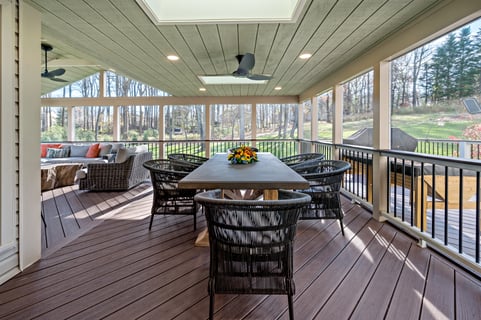
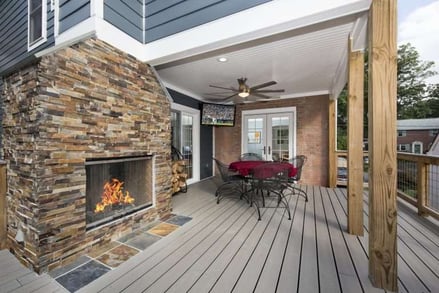
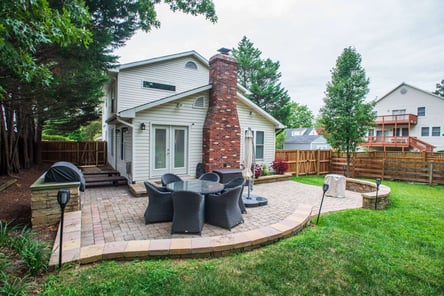
Your patio or deck is a valuable extension of your living space, and updating it can create an inviting area for relaxation and entertainment. Consider adding comfortable seating, installing a pergola or awning for shade, and incorporating stylish outdoor lighting. Adding potted plants and creating designated entertainment areas can also enhance the overall appeal of your outdoor space.
Furthermore, you can personalize your patio or deck with decorative elements such as outdoor rugs, throw pillows, and outdoor artwork. These small details can add character and charm to your outdoor space, making it a cozy and stylish extension of your home.

Landscaping Projects to Boost Curb Appeal
Boosting your home's curb appeal starts with attention to landscaping. Consider refreshing your garden beds by planting colorful flowers, adding mulch, and trimming overgrown shrubs and trees. Creating a welcoming entrance with a well-maintained pathway and installing outdoor lighting can make a significant difference in the overall aesthetic of your home.
In addition to traditional landscaping elements, you can incorporate sustainable practices into your outdoor space. Consider adding a rain garden to help manage stormwater runoff or planting native species to attract pollinators and support local ecosystems. These eco-friendly landscaping choices not only enhance the beauty of your home but also contribute to a healthier environment.
Hiring Professionals vs. DIY Remodeling
Deciding whether to hire professionals or undertake a DIY remodeling project is an important consideration that depends on various factors.
When to Hire a Professional Contractor
If you lack the necessary skills, expertise, or time to tackle a large-scale remodeling project, hiring a professional contractor is highly recommended. They can assist with the design process, source materials, obtain permits, and execute the project to industry standards. Additionally, professionals can help ensure your project stays within budget and on schedule.
Imagine having a team of experienced professionals by your side, guiding you through every step of the remodeling process. They will not only bring their expertise to the table but also offer valuable insights and creative ideas that can transform your space into something truly remarkable. From selecting the perfect color palette to choosing the right fixtures and finishes, their attention to detail will leave no stone unturned.
Moreover, professional contractors have access to a network of trusted suppliers and vendors, ensuring that you get the best quality materials at competitive prices. They will handle all the logistics, saving you the hassle of dealing with multiple suppliers and deliveries. With their expertise, they can also navigate the complex world of permits and regulations, ensuring that your remodeling project is compliant with all building codes.
Tips for Successful DIY Remodeling
If you have the skills and desire to tackle a remodeling project on your own, a DIY approach can be rewarding. However, thorough planning, research, and understanding your limitations are crucial. Start with smaller projects and gradually build your way up to larger renovations. Seek guidance from reputable sources, invest in quality tools, and always prioritize safety.
Embarking on a DIY remodeling project can be an exciting adventure, allowing you to unleash your creativity and put your personal touch on every aspect of your home. From painting walls to installing new flooring, each task completed by your own hands will fill you with a sense of accomplishment and pride.
However, it's important to acknowledge that DIY remodeling projects require a significant investment of time and effort. You'll need to dedicate hours to research, planning, and execution. It's essential to be realistic about your skills and limitations, as biting off more than you can chew can lead to frustration and costly mistakes. Remember, it's always better to seek professional help for complex tasks that require specialized knowledge.

In conclusion, revitalizing your home this spring through remodeling projects can enhance its value, functionality, and overall appeal. Understanding the benefits of spring remodeling, effective planning, and considering top projects will ensure a successful outcome. Additionally, investing in outdoor projects and making informed decisions regarding hiring professionals or taking a DIY approach will contribute to a transformative home improvement journey. Embrace the opportunity to create your dream home and enjoy the revitalized space you've always desired.
The Role of an Architect at Moss Building and Design
Architects play a vital role in the building and design process here at Moss. Customers get to meet the architects that are working on their project early in the process, as they are extremely involved in the design and planning stage. At Moss, our architects are in-house employees who have a strong working relationship with the other members of the team, including the Project Manager, Sales Consultant, and Project Designer.
Initial Meetings

Here at Moss, our architects are part of the process from the beginning. They attend the initial client meetings, so our clients get to meet the architects who are going to design their project. This is extremely beneficial for the client because the architects can balance the vision of the client with their budget.
Our architects also meet internally with other members of the Moss team to make sure that the entire process is running smoothly. They have a great working relationship with the Sales Representatives and are a key voice in the design process and negotiation of a contract. The architects are the experts in what is feasible, both structurally and budgetarily.
Behind the Scenes

After the initial meetings, our architects are hard at work making sure the entire process is running smoothly from an engineering perspective. Our architects will scan the existing property so they have the full dimensions of the home. The architects still meet with the client to carefully discuss all aspects of their vision, but they also attend a lot of internal meetings, with the goal of getting the schematics approved and the engineering approved.
With any remodeling or addition project, one of the most tedious pieces is filing permits and locating legal documents (plats, floorplans, etc.). At Moss, our architects take care of those pieces so the homeowner can relax and watch as their project works toward completion. Having in-house architects ensures that collecting documentation or getting permits does not bog down the process.
VR Walkthrough

At Moss Building and Design, we value technology and embrace the opportunities it provides. We implemented Moss 360 into the design phase, which is a state of the art augmented and virtual reality design capability. Instead of seeing your remodel on drawing paper, you can step inside it through the amazing virtual capabilities of Moss 360. Moss 360 is a gamechanger, letting you visualize your renovations before they come to life in the building phase.
Interested in new architecture in the Northern Virginia area? Reach out to Moss Building and Design today to inquire!
Home Remodel in Herndon Organizes First Floor for Family with Small Children
The homeowners worked closely with our consultants to create a scope of work and budget for a remodeling of their first floor, including the kitchen, laundry room, and powder room. There were clear allowances within the contract so our customers knew exactly the range of budget that was included and could be worked within.
Vision
The homeowners wanted to create better flow and use of space within their first floor for their growing family. With three young children, these renovations would help to keep their home more organized.
Scope
After demolishing most of the kitchen and laundry room, as well as some additional interior walls, framing for the renovations was installed to account for the new dimensions of the first floor. New windows and a door into the garage were installed, and new water, gas, and electrical lines were run throughout the first floor.
Next, drywall was installed over the new framing, and interior trim was added. Interior doors to the laundry room and powder room were installed, and cabinetry and countertops were added in the kitchen. Lastly, backsplash was added in the kitchen, and new flooring was laid where necessary.
Budget
Our team helped the homeowners determine a final overall investment and facilitated the financing of the project. They also determine the final scope for the work to provide the largest impact on living space.
Timeline
This project commenced at the beginning of March, 2023 and was completed in about seven months. The design phase of this project lasted a few months, from March until mid-June, 2023. Construction started immediately after that, starting in early July and ending in October. This project took 153 days from the first design to final walkthrough and payment.
Master Plan
We took the time to understand the exact needs of the homeowner. Their big picture plan was a remodel of their first story, including the kitchen, laundry room, and powder room. The homeowners wanted to create better interior flow and organization for their family that includes three young children.
Kitchen

In the kitchen, extensive demolition was needed, including interior walls, cabinets, countertops, the sink and faucet, a window, flooring, and lighting. After demolition, framing for the new dimensions of the kitchen (including for a new window) was completed. The window was installed, and interior framing was complete.
Next, rough-in plumbing for the sink, faucet, pot filler, dishwasher, disposal, and refrigerator were installed, as well as a water line for a bar ice maker. Electrical lines had to be run for the garbage disposal, as well as for lighting throughout the kitchen. After all the utility lines were added, drywall was hung where necessary. New trim was also added throughout the kitchen.
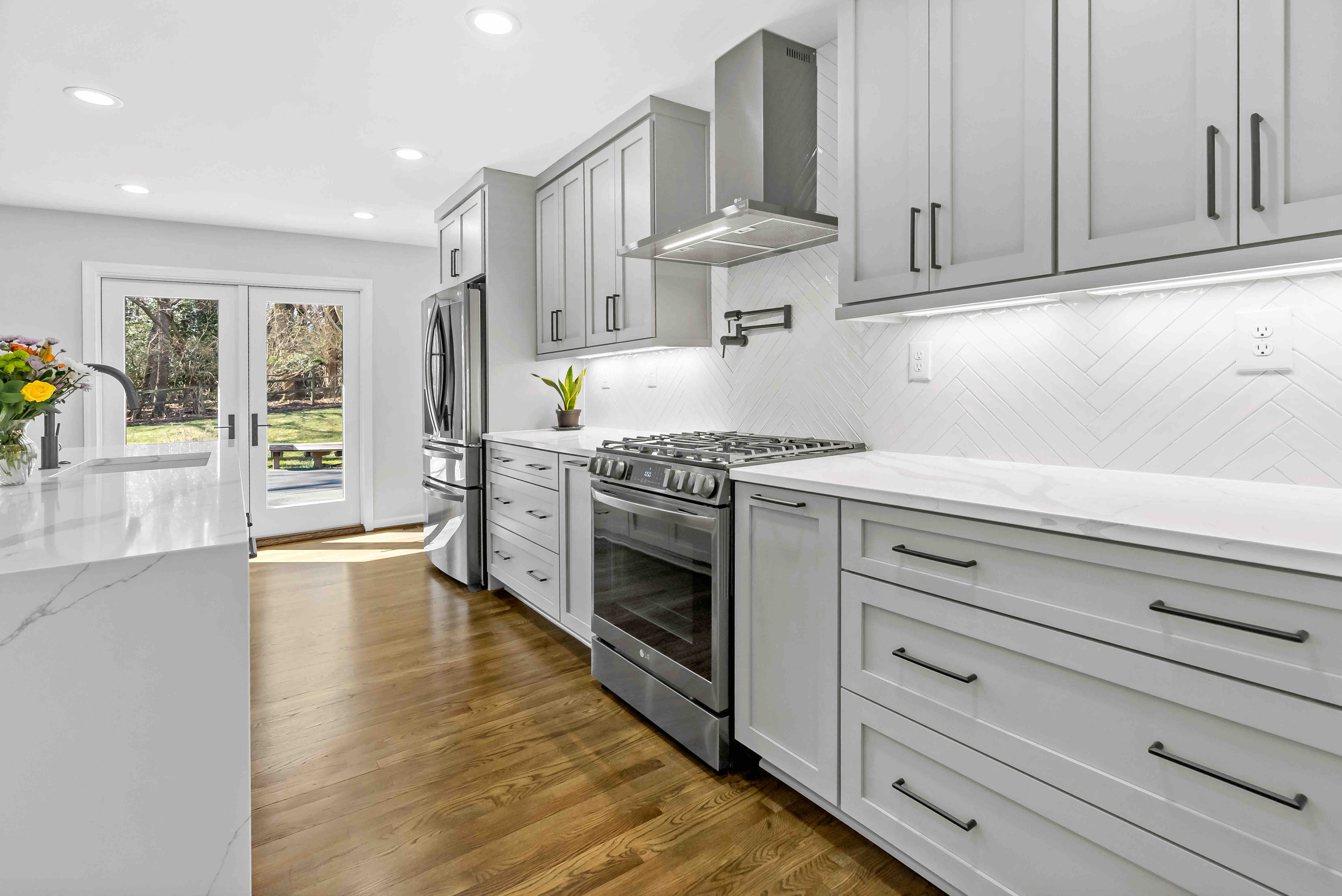
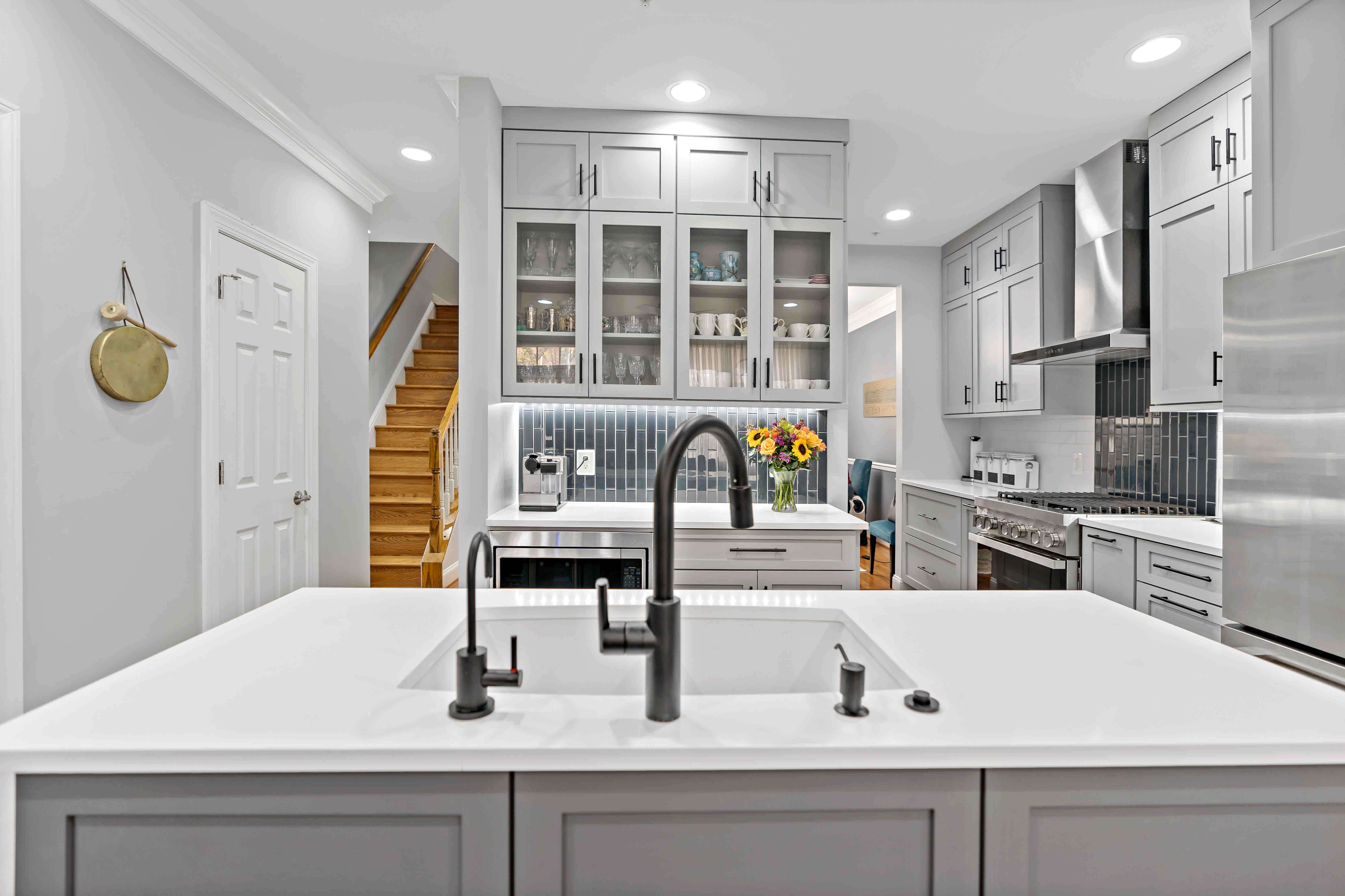
The final steps in the kitchen remodel were adding the cabinetry, countertops, backsplash, and flooring. The homeowner-selected cabinets were built and installed, and countertops with a sink and faucet cut-out were installed as well. A ceramic tile backsplash was added between the cabinets and countertops, and lastly hardwood flooring was laid in the kitchen. The entire kitchen remodel was now “paint ready” per the homeowner’s request.

Laundry Room
The laundry room also needed significant demolition, including interior walls as well as the existing garage swing-door. Framing for the new garage entry door was completed, and the new garage swing-door was installed. Electrical lines were run through the laundry room for a handful of LED recessed lights, and a new set of interior double doors was added to create the entrance into the laundry room. This completed the laundry room remodel.

Powder Room
The existing powder room had the appliances and vanity removed. Water lines for the sink and toilet were run, and electrical lines for a vanity light box and exhaust were installed as well. A new hollow core, interior door to the powder room was installed. This completed the powder room remodel, as the homeowners were going to provide and install the vanity and toilet.

Complexity
There were multiple complexities that our team had to work around. There were some missing engineering pieces in the original plans of the home, requiring our team to create same-day engineering plans for a wall in the kitchen. In addition, the electrical lines for the homeowners' new tv caused some issues, and freshly completed moldings had to be popped off to bury electrical wires out of site.